

What to Know About A Used Jeep Wrangler
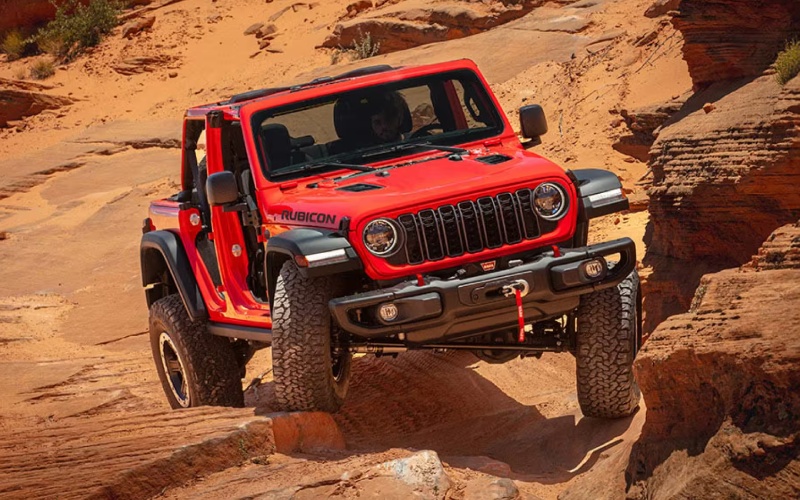
LaFontaine Next Mile – What to Know About A Used Jeep Wrangler
A used Jeep Wrangler holds a special place in the automotive world. It is one of the few vehicles that blends timeless design with genuine off-road skill and everyday practicality, all while offering an open-air experience that nothing else can quite match. If you are exploring pre-owned options, the Wrangler is a smart choice because it pairs enduring capability with strong resale confidence and a massive ecosystem of parts and accessories to make it your own.
This guide breaks down the key considerations and helpful tips that make shopping for a used Wrangler easier. You will find insights on generations and trims, hardware that matters off-road, what to look for on a test drive, ownership expectations, and how our team can streamline your purchase from research to delivery.
Why a Used Wrangler Makes Sense
Buying pre-owned lets you access the Wrangler’s legendary hardware and character while benefiting from the previous owner’s initial depreciation. That value story pairs with a design that changes slowly—so an older Wrangler still feels modern and looks iconic. On top of that, the Jeep aftermarket is one of the most extensive in the industry, which means you can personalize your vehicle with factory-style or adventure-ready upgrades that fit your lifestyle and budget.
Another draw is versatility. Whether you prefer a two-door that is nimble around town or a four-door with family-friendly space, you can remove the roof and doors for open-air fun, swap in different tops, and configure the cargo area with endless storage solutions. Inside, newer models add user-friendly tech while staying simple enough to clean up after a long day on the trail or a weekend project run.
Model Generations and What to Expect
While you may see earlier models on the market, most used shoppers compare the JK and JL generations. Here is a quick orientation to help you weigh features and priorities:
- JK (approx. 2007–2018): Classic styling with improved comfort over prior generations. Many trims and special editions exist, and the well-known 3.6L V6 became the go-to engine in later JK years. Expect a wide range of aftermarket parts and accessories.
- JL (2018 and newer): Refined ride quality, stronger tech, and additional powertrain choices. You will find upgraded interiors, modern infotainment with smartphone integration, and improved efficiency with certain engines and transmissions.
- Two-door vs. four-door: The two-door offers tighter turning and a shorter wheelbase for agility, while the four-door adds easier rear-seat access and expanded cargo room that families and road-trippers appreciate.
- Trims and personalities: Sport and Willys trims keep things rugged and simple, Sahara emphasizes daily comfort with available full-time 4×4 on select setups, and Rubicon delivers the most trail capability with purpose-built hardware.
- Powertrains: Common choices include a V6 that balances power and reliability, a turbocharged four-cylinder with strong torque, and a range of manual or automatic transmissions depending on model year and trim.
Beyond the basics, consider the top and door configuration. Many used Wranglers include a removable hardtop, a foldable soft top, or both. Some JL models offer a power top for one-touch open-air driving. Each setup has advantages—hardtops are quieter and more secure, while soft tops are lighter and easier to open.
Off-Road Hardware, Explained
Wranglers are not all configured the same, and understanding core hardware helps you pick the right fit. Even if you plan to stay on pavement most of the time, the right transfer case, gearing, and axles can make a difference in traction, confidence, and long-term value. Here is a quick breakdown of features you may see listed in vehicle descriptions:
- Transfer case systems: Command-Trac is a part-time 4×4 system with a neutral setting for flat towing, Selec-Trac adds an available full-time mode for set-it-and-forget-it traction, and Rock-Trac on Rubicon models emphasizes low-speed crawling control.
- Locking differentials and sway bar disconnect: Available on Rubicon and select special editions, these features improve wheel articulation and ensure power goes where you need it when surfaces get uneven or slippery.
- Axles and gearing: Some trims include heavy-duty axles and specific gear ratios that improve slow-speed control, towing confidence, and overall durability during off-road use.
- Tires and wheels: Mud-terrain and all-terrain tires provide superior off-road grip, while highway-oriented all-season tires deliver quieter, more efficient commuting. Wheel diameter and tire sidewall height affect ride comfort and trail performance.
If you plan to build your Wrangler over time, think ahead. Choosing a model with the right baseline hardware can reduce future upgrade costs and support the type of adventures you have in mind.
What to Look For on a Test Drive
Because Wranglers are adventure-ready, it pays to inspect condition carefully. Many are well cared for—but some may have seen heavy trail use or salt exposure in prior climates. A thorough test drive and walk-around will tell you a lot:
- Undercarriage and frame: Look for excess rust, scrapes, or dents on skid plates and suspension components. Normal wear is expected, but structural corrosion is a red flag.
- Steering and alignment: On the road, the Wrangler should track straight without vibration. Listen for clunks over bumps and check for even tire wear.
- Soft top and seals: Inspect zippers, stitching, and latches. For hardtops, examine the panels and seals for cracks or signs of water intrusion.
- Electronics and infotainment: Test the touchscreen, Bluetooth, Apple CarPlay or Android Auto (if equipped), window switches, and power locks. Confirm 4×4 engagement is smooth.
- Service history: A documented maintenance record—oil changes, differential service, and transfer case fluid—adds peace of mind and supports long-term reliability.
Also take note of any aftermarket modifications. Many upgrades are high quality and add value, but the installation and component selection matter. A professional inspection can help verify alignment angles, driveshaft clearances, and proper gearing after lifts or tire changes.
Ownership Costs and Practicality
A Wrangler is built for longevity and confidence on rough terrain, and that character shapes daily driving too. Ride quality is firm but comfortable in newer generations, wind and tire noise can vary with tops and tire choices, and the elevated seating position offers excellent visibility. Consider accessories like all-weather mats, a cargo liner, and a secure storage vault to tailor utility to your routine.
On the cost side, insurance and maintenance will vary based on year, trim, and modifications. Sticking with factory-spec tire sizes, maintaining proper alignment, and following recommended fluid service intervals can help keep operating costs in check. If you are planning frequent off-road trips, schedule post-adventure inspections for underbody components, suspension hardware, and wheel torque to ensure everything stays in top shape.
How We Make Shopping Simple
At LaFontaine Next Mile, we combine a wide pre-owned selection with a streamlined process that respects your time. Our approach makes it easy to compare trims, understand hardware differences, and find the Wrangler that suits your daily drive and weekend plans.
From financing options to trade-in support and home delivery solutions, we can personalize your path from first browse to final handshake. If you want guidance on specific trims—say, comparing a Sahara with full-time 4×4 to a Rubicon with lockable axles—our team will detail the pros and help you test both so you can feel the difference behind the wheel.
- Browse our Wrangler selection: Review photos, feature lists, and vehicle history details to narrow your picks.
- Get pre-approved: Save time and see payment scenarios quickly so you can shop with confidence.
- Value your trade: Apply your current vehicle’s equity toward your Wrangler to simplify the numbers.
- Schedule a test drive: Experience on-road comfort, top operation, and 4×4 engagement for yourself.
- Drive home with confidence: Finalize paperwork and choose optional protection plans that fit your needs.
We are proud to be serving Farmington, Novi, and Redford, and we are here to help you compare options, evaluate the condition, and choose smartly based on how you drive.
Frequently Asked Questions:
Is a used Wrangler a good daily driver?
Yes. Especially in the JL generation, the Wrangler balances off-road skill with better ride comfort, tech, and safety features. Tire choice, top type, and trim selection will influence noise and handling, so test drive a couple of configurations to find your ideal setup.
Which Wrangler trim is best for mixed city and trail use?
Sahara and Willys trims strike a great middle ground. You get everyday comfort and style, plus hardware that is capable on moderate trails. If you plan serious rock crawling, a Rubicon’s locking differentials, disconnecting the sway bar, and low-range gearing are hard to beat.
Should I avoid Wranglers with modifications?
Not necessarily. Quality parts installed professionally can enhance capability and value. Focus on documentation—receipts, alignment specs, and photos—then inspect for proper clearances, no rubbing at full steering lock, and well-routed wiring for accessories.
What mileage is reasonable on a used Wrangler?
Condition, maintenance history, and how the vehicle was used matter more than a single number. A well-maintained Wrangler with documented services can be a smart buy regardless of mileage, while neglected examples with lower miles may cost more in the long run.
Hardtop or soft top—how should I choose?
Pick based on your lifestyle. A hardtop is quieter, more secure, and easier to heat or cool, while a soft top offers quick open-air driving and lighter weight. Some owners keep both and swap seasonally to get the best of each.
When you are ready to explore a used Jeep Wrangler in depth, we will help you compare trims side by side, review history and inspection details, and take an extended test drive so you can be confident in your choice. From your first online search to keys in hand, our team is here to make it straightforward and enjoyable.
Request more 2026 Jeep Wrangler information
What to Know About A Used Chevrolet Equinox

LaFontaine Next Mile – What to Know About A Used Chevrolet Equinox
If you are shopping for a compact SUV that balances comfort, technology, and everyday practicality, a used Chevrolet Equinox belongs at the top of your list. It is a well-rounded choice, known for a smooth ride, family-friendly space, and thoughtful features that make daily driving easier. Buying pre-owned can deliver strong value, giving you more equipment and trim-level options for your budget while keeping ownership costs predictable.
Below, we cover what makes the Equinox such a compelling used SUV, what to look for on a test drive, how to compare trims and features, and how to plan your purchase with confidence. Whether your priority is cargo versatility for weekend projects or a reliable commuter with modern safety tech, the Equinox offers a smart blend of features that fit real-world needs.
Why the Chevrolet Equinox is a smart used SUV buy
The Equinox slots into that just-right size—easy to park in tight spots yet spacious enough for passengers and gear. Across recent generations, you will find user-friendly infotainment, available all-wheel drive for traction in challenging conditions, and safety features that were ahead of their time for the segment. Cabin materials and seat comfort also punch above what many expect, especially in higher trims, making longer drives less tiring.
- Everyday comfort: Supportive seating and hushed cabin tuning make commutes and road trips relaxing.
- Usable space: A wide cargo opening and flexible rear seating help you load strollers, sports gear, or home improvement supplies.
- Intuitive tech: Touchscreen infotainment, smartphone integration, and clear menus keep learning curves short.
- Confident driving: Predictable handling and available all-wheel drive inspire confidence on varying road surfaces.
- Safety focus: Many models offer driver-assistance features that add peace of mind on busy highways and in city traffic.
- Quiet ride: Sound-deadening measures and refined suspension tuning help reduce fatigue on longer trips.
What to look for when shopping used
A little preparation goes a long way. Start with a vehicle history report and service records. Confirm routine maintenance was performed on schedule, especially oil changes for turbocharged engines. Inspect the interior for wear that matches the mileage, then look over the exterior for consistent panel gaps and uniform paint. A professional pre-purchase inspection can be a smart final step to ensure the SUV fits your expectations.
- Service history: Look for consistent maintenance intervals and documentation of recommended services.
- Exterior condition: Check for scuffs, dings, or mismatched paint that might indicate prior repairs.
- Tires and brakes: Even treadwear and smooth, quiet stops are signs of a well-kept vehicle.
- Suspension feel: Listen for clunks or rattles over bumps—quality ride and quietness are Equinox strengths.
- Cabin electronics: Test the touchscreen, Bluetooth, cameras, and all window and lock switches.
- HVAC performance: Make sure heat and air conditioning respond quickly and evenly.
- Lighting and visibility: Verify headlamps, brake lights, and fog lights operate as expected.
- Keys and remotes: Confirm spare keys, remote start where equipped, and keyless functions.
Test drive checklist
A focused test drive helps you quickly confirm condition and comfort. Aim for a route that includes surface streets and highway speeds. Bring a second set of ears if possible, and do not rush—evaluate acceleration, braking, steering response, and cabin ergonomics to ensure the Equinox matches your daily driving style.
- Start from cold: Listen for smooth idle and watch for warning lights to cycle off properly.
- City loop: Check low-speed ride quality, transmission smoothness, and stop-and-go drivability.
- Highway merge: Confirm confident acceleration and stable tracking at speed.
- Noise check: Listen for wind or tire noise that could indicate alignment or seal concerns.
- Parking practice: Test visibility, steering weight, and camera clarity during tight maneuvers.
- Feature review: Try adaptive or standard cruise control, lane features, and touchscreen functions.
Ownership costs and long-term confidence
Part of the Equinox appeal is straightforward ownership. Routine maintenance is simple, service intervals are approachable, and parts availability is strong. Many owners appreciate how the Equinox balances fuel economy with usable power, so commuting stays efficient without sacrificing highway confidence. If you want added peace of mind, ask about vehicle service contracts that can help protect you from unexpected repair costs over the years you plan to own the SUV.
Financing, trade-ins, and your shopping timeline
Streamlining the purchase process matters. At LaFontaine Next Mile, we make it easy to compare vehicles, get pre-approved, and tailor finance options to your goals. Our team can also help you understand how trade-in value, term length, and down payment can affect your monthly comfort zone—so you leave with a plan that fits both your lifestyle and your budget.
Our location is convenient for drivers seeking a used Chevrolet Equinox and serving Farmington, Novi, and Redford. If you are just starting your research, we can help you narrow down trims and options. If you are further along, we can finalize a test drive, review your trade, and outline service protection choices in one visit.
- Personalized selection: Compare trims and features side by side to match your daily needs.
- Clear financing steps: Get guidance on pre-approval, terms, and available protection options.
- Time-saving process: Complete key steps online, then finish quickly in store.
- Trade-in support: Streamlined appraisal helps you understand your equity and next steps.
Frequently Asked Questions:
Which trims and features should I prioritize on a used Chevrolet Equinox?
Start with your must-haves. If you value comfort and extra amenities, look for higher trims that add advanced driver assistance, upgraded seating, and premium audio. If utility and value lead, mid-level trims often bundle the most useful tech without overcomplicating the cabin.
Is all-wheel drive worth it on a used Equinox?
AWD adds traction on wet or slippery roads and can increase resale appeal. If you frequently face challenging conditions or unpaved driveways, it is a great fit. If your routes are mostly dry, front-wheel drive can be more efficient and still deliver confident handling.
How do I know if the vehicle was well-maintained?
Look for detailed service records that show consistent oil changes and routine care. A thorough inspection, clean history report, and even tire wear are excellent signs. During your test drive, confirm smooth shifting, stable braking, and a quiet cabin at highway speeds.
Can I protect my purchase with added coverage?
Yes. Ask about vehicle service contracts and protection packages tailored to your driving habits and ownership timeline. These options can help manage out-of-pocket costs for covered components and provide additional confidence as you rack up miles.
The bottom line: a used Chevrolet Equinox offers the right blend of size, comfort, and value for many drivers. With a careful test drive, a quick review of records, and guidance from a helpful team, you can zero in on the right trim and features—then enjoy an SUV that fits your life today and adapts to whatever comes next.
Request more 2026 Chevrolet Equinox information
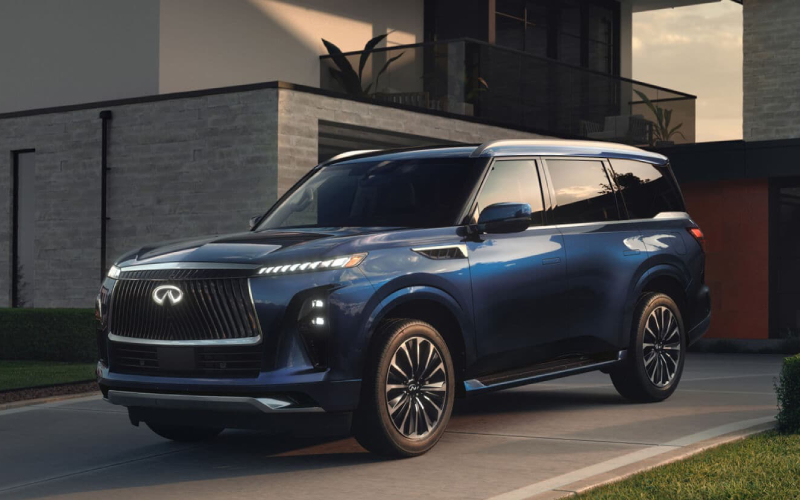
LaFontaine Next Mile – Why a used INFINITI SUV fits Madison Heights, MI commutes and weekends
For many shoppers comparing luxury SUVs for daily commuting and weekend errands, a used INFINITI often hits the ideal balance of comfort, performance, and long-term confidence. From the driver-focused QX50 to the flexible QX60 and the commanding QX80, the lineup covers a wide range of needs while keeping the cabin serene and the technology intuitive. This guide explains how INFINITI’s core strengths translate into day-to-day advantages around Madison Heights, MI and neighboring communities—without overcomplicating the process.
Core advantages that matter on real roads
INFINITI vehicles are engineered to be easy to live with. Many models include Intelligent All-Wheel Drive for confidence on fast-changing surfaces, strong turbocharged or V8 power for effortless merging, and acoustic insulation that keeps the cabin calm even when traffic isn’t. Add the brand’s hallmark features—Predictive Forward Collision Warning, Blind Spot Intervention, and the Around View Monitor with Moving Object Detection—and driving becomes less stressful, whether you are threading through neighborhood streets or navigating a busy interchange.
Technology is equally straightforward. INFINITI InTouch places navigation and media controls within reach, while Apple CarPlay® and Android AutoTM simplify the connection to your phone. Families appreciate available tri-zone climate control, second-row sunshades on select SUVs, and thoughtful small-item storage that reduces clutter. The result is a luxury SUV that supports a wide range of routines without asking you to compromise on design, comfort, or safety.
How to evaluate a used INFINITI online
Shopping from home should still feel personal and precise. As you browse, pay attention to condition reports, service records, and detailed photos that highlight seat bolstering, steering-wheel wear, door sills, and cargo-area trim—areas that reflect real-world use. Look for consistency in panel gaps and paint finish, and confirm that advanced features like Intelligent Cruise Control and Lane Departure Prevention are listed and demonstrated when possible. If third-row seating matters, verify folding mechanisms and loading height through images and video walkarounds. When the listing includes the Around View Monitor, review camera clarity in different lighting conditions to ensure the system meets expectations.
For anyone cross-shopping multiple trims, create a short checklist of must-haves. Focus on items you use every day—heated and ventilated front seats, power liftgate, panoramic Moonroof, Bose® audio, and the exact driver-assist features you value. That clarity helps you compare vehicles quickly and prevents decision fatigue.
Smart checklist for test drives and virtual tours
- Cabin ergonomics: Confirm seat adjustability, lumbar support, and visibility over the hood and to the rear corners.
- Technology walkthrough: Test Apple CarPlay® or Android AutoTM pairing, audio clarity, and the responsiveness of INFINITI InTouch menus.
- Ride quality: Note suspension compliance over patchy pavement and the quietness of the cabin at suburban speeds.
- Driver aids: Validate Blind Spot Warning, Lane Departure Warning, and camera views with the Around View Monitor.
- Utility check: Fold rear rows, assess cargo floor height, and verify the hands-free or power liftgate function if equipped.
These focused checks help you make an informed decision without requiring extra appointments or guesswork.
Frequently Asked Questions:
What makes a used INFINITI SUV a strong fit for Michigan driving?
Many models include Intelligent All-Wheel Drive, robust turbocharged or V8 power for smooth passing, and acoustic glass to keep the cabin quiet. Combined with driver-assist technologies like Predictive Forward Collision Warning, the package suits busy corridors, variable surfaces, and frequent lane changes.
How do INFINITI safety features help with daily commuting?
Systems such as Blind Spot Intervention, Lane Departure Prevention, and Intelligent Cruise Control work together to reduce mental load and improve situational awareness. The Around View Monitor can simplify parking in tight lots and boost confidence at low speeds.
Are INFINITI interiors durable for family use?
Yes. Many models include robust seat materials, stain-resistant surfaces, and smart storage, plus available tri-zone climate control and second-row sunshades that make family trips more comfortable.
What should I look for in the powertrain when buying used?
Match the engine to your priorities. The 3.0-liter twin-turbo V6 delivers brisk acceleration, the VC-Turbo balances power and efficiency, and a V8 in larger SUVs offers confident cruising and towing readiness. Always review service history and confirm smooth shifting behavior during a test drive.
How important is the camera system on a used INFINITI?
Very. The Around View Monitor with Moving Object Detection provides a composite 360-degree perspective that helps avoid obstacles and simplifies parallel or garage parking, which is particularly useful in dense neighborhoods and crowded shopping areas.
What convenience features stand out in everyday use?
Heated steering wheel, heated and ventilated front seats, power liftgate, multiple USB ports, and a panoramic Moonroof are favorites. These touches elevate daily comfort and make longer drives more pleasant.
Online shoppers appreciate efficiency, clarity, and follow-through. Our approach centers on clear descriptions and guided support that respects your time and priorities. LaFontaine Next Mile remains a resource for product knowledge, virtual walkarounds, and streamlined paperwork, so your used INFINITI purchase feels as refined as the vehicle you select.
If your search spans multiple suburbs, you will appreciate one connected process serving Ferndale, Madison Heights, and Livonia. That reach makes it easier to find the right color, seating configuration, and technology package without settling. Whether your day includes a run up Dequindre Road, a quick stop along John R Road, or a weekend drive that requires flexible cargo space, an INFINITI SUV can handle the plan—and do it with quiet confidence.
Request more information
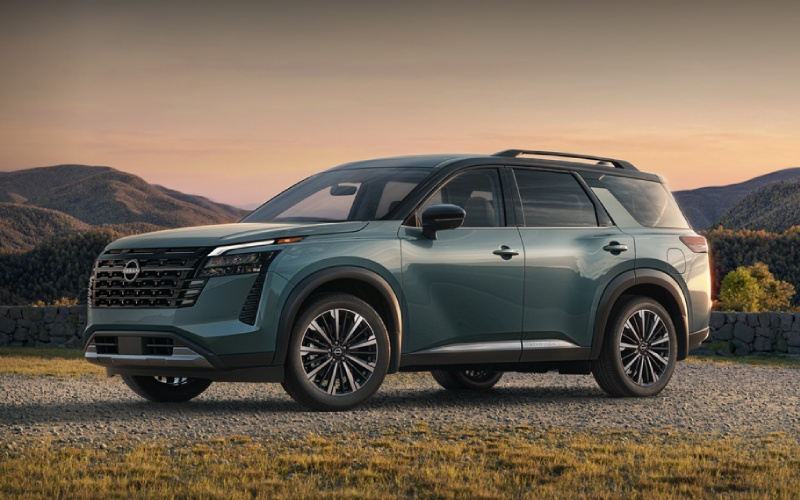
LaFontaine Next Mile – Smart steps for used Nissan SUVs tailored to Livonia, MI driving
Thinking about a used Nissan SUV for daily life around Livonia, MI? You are on the right track. Nissan’s lineup delivers practical space, efficiency, and all-weather confidence with features that make commuting smoother and weekends more flexible. At LaFontaine Next Mile, our team focuses on the details that matter most for local roads—ride comfort for I-96 and Middlebelt traffic, intuitive tech for hands-free connectivity, and the safety systems that support you in busy parking lots and at highway speeds.
This guide spotlights what to look for in used Nissan SUVs, how to match a model to your drive, and which features can elevate every mile. Whether your shortlist includes Rogue, Murano, Pathfinder, or Kicks, the checklist below will help you shop like a pro and feel great about what you drive next.
Why used Nissan SUVs fit Livonia drivers
Rogue and Kicks shine for city-friendly maneuverability, strong efficiency, and cabins that flex for errands or weekend gear. Murano brings cushioned ride comfort and upscale finishes that make longer drives relaxing. Pathfinder adds three rows and available Intelligent 4×4 for family trips, plus towing capability for small campers or utility trailers. Across the lineup, many models include NissanConnect® with Apple CarPlay and Android Auto, so calls, maps, and playlists are right where you need them. Available ProPILOT Assist and Intelligent Cruise Control can ease highway runs by helping with speed and lane centering.
Because Livonia commutes often mix stop-and-go with stretches of steady cruising, features like a quiet cabin, smooth drivetrain mapping, and supportive Zero Gravity seating make a daily difference. If winter traction and confidence matter to you, look for Intelligent All-Wheel Drive on Rogue and Murano, or Intelligent 4×4 on Pathfinder.
- Cargo flexibility: Rogue’s Divide-N-Hide system and wide hatch openings make grocery runs and gear loading simple.
- All-weather confidence: Intelligent All-Wheel Drive and Intelligent 4×4 systems help optimize traction without constant driver intervention.
- Parking ease: Intelligent Around View Monitor can assist with tight parallel spots and crowded lots.
- Comfort features: Heated seats and steering wheel, Dual Zone Automatic Temperature Control, and available leather-appointed seating add daily comfort.
- Smart connectivity: NissanConnect® with Apple CarPlay and Android Auto helps keep eyes forward and hands on the wheel.
How to evaluate tech and safety on a test drive
Modern driver-assistance features are more than nice-to-haves; they can make your routine safer and less stressful. Many used Nissan SUVs include Nissan Safety Shield 360, which bundles Automatic Emergency Braking with Pedestrian Detection, Rear Automatic Braking, Blind Spot Warning, Rear Cross Traffic Alert, Lane Departure Warning, and High Beam Assist. During a test drive, explore how alerts sound, how lane and cruise systems engage, and how intuitive the infotainment interface feels under real-world conditions.
Also consider practical, everyday items: Are the rear doors wide enough for child seats? Does the cargo floor sit low enough for heavy items? Do the seat bolsters support you without pinching? These small checks add up to a better ownership experience.
- Start with visibility: Adjust mirrors, note sightlines, and test the backup camera and available Intelligent Around View Monitor.
- Try the infotainment: Pair a phone, test voice commands, and check response time on the touchscreen.
- Engage driver aids: If available, try Intelligent Cruise Control or ProPILOT Assist on a short highway segment.
- Check cargo solutions: Fold seats, test the hatch or Motion-Activated Liftgate, and assess loading height.
- Listen and feel: Note wind and road noise, steering confidence, and brake pedal feedback.
Model spotlights for Livonia commutes
Rogue is a go-to for many families, offering a useful blend of passenger space, adjustable cargo, and efficiency that keeps fuel stops low. If your routine includes frequent parallel parking on neighborhood streets or tight lots by parks and shops, Rogue’s tidy footprint and available Intelligent Around View Monitor are especially helpful. Kicks is a compact option with style and surprising interior room, ideal for new drivers or anyone who values agility and easy parking.
Murano steps up cabin refinement with available leather-appointed seating, a relaxed ride, and available Bose Premium Audio for crisp, comfortable sound. If your household needs three rows, Pathfinder brings flexible seating and the confidence of available Intelligent 4×4. The drivetrain tuning in these models aims for smooth everyday response, and many include driver-selectable modes so you can tailor behavior for comfort, snow, or sportier feel with a quick toggle.
Frequently Asked Questions:
Which safety features should I prioritize in a used Nissan SUV?
Look for Nissan Safety Shield 360 features such as Automatic Emergency Braking with Pedestrian Detection and Blind Spot Warning, plus available ProPILOT Assist or Intelligent Cruise Control for highway support.
How do I know if an SUV’s tech will be easy to live with?
Pair your phone during the test drive, try Apple CarPlay and Android Auto, and use voice commands. An intuitive menu structure and responsive screen go a long way toward everyday satisfaction.
Is all-wheel drive necessary for local driving?
Not mandatory, but Intelligent All-Wheel Drive or Intelligent 4×4 can add peace of mind in rain or snow. Choose based on your routes, driveway conditions, and personal comfort.
What should I check in the cargo area?
Confirm seats fold flat, measure the opening for strollers or gear, and test any adjustable floor systems like Rogue’s Divide-N-Hide to see how they fit your routine.
Can I get guidance on maintenance history?
Yes. Our team reviews inspection findings, service records when available, and recommended care so you feel clear about the vehicle’s current condition and next steps.
When you are ready to compare features side by side, schedule a test drive and bring your daily gear—coolers, strollers, or sports bags—to see how each Nissan handles real life. We will help you map options to your commute and weekend plans so the SUV you choose feels tailored from day one. For a streamlined process and friendly expertise serving Ferndale, Madison Heights, and Livonia, start your search online and let our specialists handle the details.
Request more information
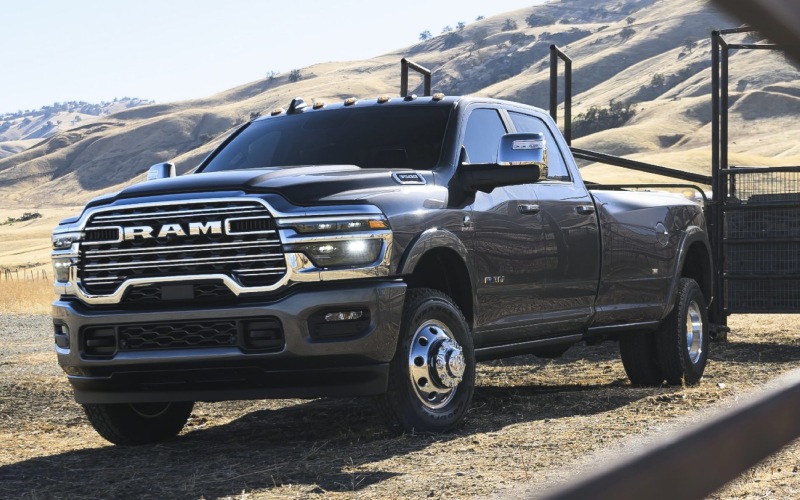
LaFontaine Next Mile – Smart buying guide to used RAM trucks for Ferndale, MI drivers
Choosing a used RAM truck is about more than finding a great vehicle—it’s about matching proven capability to the way you live and work in and around Ferndale, MI. Between day-to-day commuting on Woodward Avenue, weekend projects that call for a trip to the lumber yard, and the occasional tow up I-75 or across I-696, a pre-owned RAM 1500 or heavy-duty RAM can be the most effortless way to get it all done. This guide focuses on two things shoppers ask about most: real-world towing confidence and seamless online buying—both strengths at our store.
Why used RAM trucks shine for towing and hauling
When it comes to pulling a camper, moving a boat to the lake, or hauling landscaping gear, RAM’s powertrain options and chassis engineering stand out. Many RAM 1500 models you’ll find in our inventory include the 3.6L Pentastar V6 or 5.7L HEMI V8 paired with the TorqueFlite 8-speed automatic—an arrangement known for smooth takeoffs and stable highway cruising. If your plans include heavier loads, you’ll also see RAM heavy-duty options with high-capacity frames, upgraded brakes, and available diesel torque that turns merging and grades into afterthoughts. Add systems like an integrated trailer brake controller, 4- and 7-pin wiring, and available Tow/Haul Mode, and you have a ready-made towing partner.
Shoppers often underestimate how much chassis tuning influences confidence with a trailer. RAM’s coil-spring rear suspension in many RAM 1500 models—plus the available Active-Level Four Corner Air Suspension on select trucks—helps keep the vehicle composed over uneven pavement and steady during crosswinds. Trailer Sway Control, part of Electronic Stability Control on many vehicles, further assists by applying brake pressure to individual wheels to help maintain control if a trailer begins to oscillate. Combine these with the right axle ratio and proper weight distribution, and you can feel composed from driveway to destination.
Cab, bed, and storage choices that matter
Capability is only half the story; convenience makes the rest of your ownership effortless. Crew Cab and Mega Cab models often include generous rear legroom, a near-flat floor, and under-seat storage, making family trips or crew transport more comfortable. Bed features like the RamBox Cargo Management System, LED bed lighting, and a dampened or Multi-Function Tailgate simplify cargo access and organization. If you’re loading gear in a downtown Ferndale driveway or a tight alley, these details pay off every single time you reach for a tool or strap down equipment.
Inside the cabin, many used RAM trucks include Uconnect with Apple CarPlay and Android Auto integration so your maps, playlists, and calls feel second nature. Available premium audio, multiple USB ports, and 115-volt outlets support both work and play. The net effect is a truck that tows with ease, rides with polish, and stays user-friendly in stop-and-go traffic or on long highway runs.
Streamlined online buying for busy schedules
You want the right truck, not a day lost to paperwork. Our digital experience lets you browse detailed photos and specs, compare trucks side by side, get pre-approved, and value your trade in minutes. Then you can set a test drive time that fits your calendar. This workflow respects the rhythm of a Ferndale workday, whether you’re squeezing in a viewing between meetings or planning a Saturday visit around family commitments.
Transparency matters, too. We share the details shoppers ask about most—axle ratios, hitch equipment, bed length, cab configuration, safety systems like Blind Spot Monitoring and ParkSense Front and Rear Park Assist—so you can make an apples-to-apples comparison. If you have specific towing questions, our team can walk you through weight ratings, brake controller settings, and safe-loading best practices to match your trailer or use case.
Quick checklist before you pick your truck
- Your towing needs: Boat, camper, work trailer, or occasional rental—know approximate loaded weights.
- Powertrain preferences: Pentastar V6 for balance, HEMI V8 for added punch, or diesel torque for heavy duty.
- Cab and bed size: Prioritize family/crew room or maximize bed length for cargo.
- Key systems: Trailer brake controller, Tow/Haul Mode, Trailer Sway Control, and the right axle ratio.
- Interior tech: Uconnect, Apple CarPlay, Android Auto, and enough outlets/USB ports for your devices.
- Parking aids: ParkView Rear Back Up Camera and ParkSense Front and Rear Park Assist for city maneuvering.
Those six items will get you 90 percent of the way to the right fit. The rest is about preferences—wheels and tires, side steps, spray-in bedliners, or appearance packages that suit your style and daily routine.
Frequently Asked Questions:
Do used RAM trucks handle daily commuting as well as towing?
Yes. Many RAM 1500 models balance a composed ride—thanks in part to coil-spring or available air suspension—with responsive steering and quiet cabins, making them as pleasant on Woodward Avenue as they are strong on weekend tow duty.
What driver-assistance features should I look for?
Commonly available systems include Adaptive Cruise Control with Stop and Go, Forward Collision Warning with Active Braking, Blind Spot Monitoring with Rear Cross Path Detection, LaneSense Lane Departure Warning, and ParkView Rear Back Up Camera. These can ease highway travel and tight parking around downtown Ferndale.
How do I choose the right axle ratio?
If you tow frequently or at higher weights, a numerically higher axle ratio can improve launch and hill performance. If you tow occasionally and prioritize cruising efficiency, a lower ratio may be fine. We can review your trailer and route details to recommend the best match.
Are diesel RAM trucks worth it for occasional towing?
If your trailer is heavy or you value long-range highway efficiency and low-end torque, a diesel can be an excellent choice. For light to moderate towing, a HEMI V8 or Pentastar V6 may satisfy your needs while keeping maintenance straightforward.
Can I complete most steps online?
Absolutely. You can review inventory, compare specs, get pre-approved, and value your trade from home, then schedule a test drive when it suits you. It’s designed for a no-surprises, time-saving experience.
When you’re ready to bring home a truck that aligns with your work, family, and weekend plans, we’re here to help you dial in the details. LaFontaine Next Mile offers knowledgeable guidance and a streamlined process that respects your time, with a robust selection of pre-owned RAM trucks ready for the test drive you have in mind—serving Ferndale, Madison Heights, and Livonia with the confidence and support you expect from a dedicated automotive partner.
Request more information
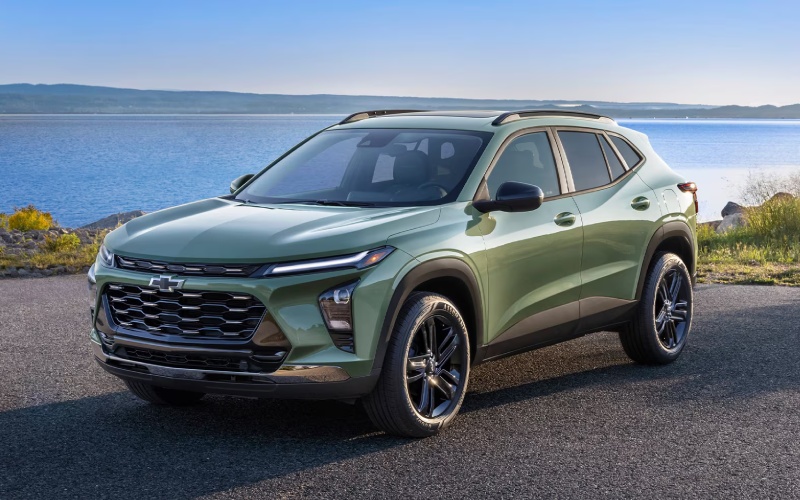
LaFontaine Next Mile – How to choose the right used Chevrolet SUV for Livonia, MI drivers
Shopping for a used Chevrolet SUV should feel straightforward, not stressful. If you drive Livonia’s daily loop along I-96, I-275, or Schoolcraft Road, the right match blends confident passing power, an easy-to-use infotainment setup, and flexible cargo space for errands or weekend plans at Rotary Park or along Hines Drive. This guide breaks down how to choose the best Chevy SUV for your routine—and how to evaluate features that matter long after the original window sticker fades.
Start by sketching your daily pattern: solo commute, carpool rotation, after-school activities, or a regular contractor run with tools and supplies. Equinox and Blazer shine for commuters who want a quiet ride and intuitive tech, while Traverse, Tahoe, and Suburban often make the most sense for larger crews or active families who need seating for up to seven or more and wide, low cargo openings. If your weekends include trailheads or cottage trips, look for all-wheel drive and available drive modes that adapt to rain-slick roads or unpaved parking areas.
Why a used Chevrolet fits Livonia, MI driving
Chevrolet cabins are generally friendly and familiar across model years, so you can settle in fast. Many models include the Chevrolet Infotainment System with Apple CarPlay® and Android Auto™ to mirror your navigation apps and messages. Available built-in Wi-Fi® Hotspot and OnStar® Connected Services add helpful layers for road trips or remote work days. On the move, StabiliTrak® Electronic Stability Control supports grip in quick merges between I-275 and I-96, while a well-tuned suspension keeps the ride composed over patched asphalt and bridge joints. The wide Chevy SUV lineup means you can prioritize efficiency, space, or towing—without giving up everyday drivability.
For local hauling, many used Traverse and Tahoe models offer generous towing capacities when properly equipped, along with features like a Hitch Guidance camera view or an integrated trailer brake controller on select vehicles. If parallel parking downtown is a weekly ritual, look for available HD Surround Vision and Front and Rear Park Assist. These conveniences stack up in daily life, whether you are rolling into a tight spot near the library or backing toward a soccer field curb.
Feature spotlight: Chevy Safety Assist and daily confidence
Chevy Safety Assist, available on many recent pre-owned SUVs, bundles Forward Collision Alert, Automatic Emergency Braking, Front Pedestrian Braking, Lane Keep Assist with Lane Departure Warning, Following Distance Indicator, and IntelliBeam® auto high beams. Even at used pricing tiers, this is the kind of feature set that modernizes older commutes by adding protection where eyes and attention sometimes waver—like heavy traffic entering I-96 at rush hour. Round that out with Lane Change Alert with Side Blind Zone Alert and Rear Cross Traffic Alert on select models, and you have a daily partner that quietly reinforces good habits.
Do not overlook Teen Driver if a new motorist will share the keys. It lets you set speed and audio limits and generates a driving report card. The system turns an SUV into a coaching tool for the real world—calmer for you, clearer for the learner.
Powertrains that go the distance
Chevrolet’s ECOTEC® four-cylinder engines balance efficiency and smooth torque for everyday commuting, while available V6 options bring extra passing confidence when lanes open on I-275. If your SUV search leans larger, V8 power in Tahoe or Suburban supplies effortless highway cruising and confident towing manners. Many models include Direct Injection and Variable Valve Timing for clean response; paired with proven Hydra-Matic® transmissions, these drivetrains are engineered to last. Look for maintenance records—regular oil changes, transmission services, and cooling system care go a long way. Bonus points for vehicles with documented brake and tire replacements, since the right rubber and healthy rotors keep safety systems working at their best.
If efficiency tops your list, note that some pre-owned Chevy SUVs include stop/start technology for city stretches and aerodynamic touches that quietly trim fuel use. For winter readiness and gravel trailheads, consider all-wheel drive. The goal is a powertrain that matches both your weekday rhythm and weekend escapes, so you are not overbuying or under-equipping.
Simple steps to shop smarter online
Before you click “schedule,” map your needs to features. Use filters to isolate AWD, seat count, driver-assistance tech, and tow-ready setups so your shortlist aligns with real-life use. Then plan a focused test drive around Livonia routes—merges, a stretch of 45 mph traffic, and a few tight parking moves—to simulate your week.
- Infotainment check: Pair your phone via Apple CarPlay® or Android Auto™ and test call clarity and app response.
- Visibility sweep: Adjust mirrors, confirm camera views, and note blind-spot coverage in lane changes.
- Ride and noise: Listen over patched pavement and at highway speed for wind or tire roar.
- Brake feel: Look for a confident initial bite and smooth, straight stops without vibration.
- Steering and tracking: Verify on-center stability and easy correction in crosswinds.
- Cargo drill: Fold seats, load a common item, and confirm liftover height feels manageable.
The last step is transparency. Review the vehicle history, service records, and reconditioning notes. Ask about warranty options or service plans that fit how far and how long you expect to keep the SUV.
At LaFontaine Next Mile, our team streamlines these steps with clear listings, thorough condition insights, and quick pre-approval tools. With access to 43 dealerships and 10,000+ vehicles, you can compare multiple candidates side-by-side without letting a good match slip away. The result is a faster path to a better fit.
Frequently Asked Questions:
Which used Chevrolet SUV is best for Livonia commuting?
Equinox and Blazer frequently hit the sweet spot for daily drives thanks to easy maneuverability, smooth powertrains, and intuitive tech. If you need more seating and cargo volume, Traverse balances family space with comfortable highway manners.
What driver-assistance features should I prioritize?
Focus on Forward Collision Alert, Automatic Emergency Braking, Lane Keep Assist with Lane Departure Warning, and Blind Zone alerts. These features deliver meaningful safety gains in stop-and-go traffic and crowded lots.
How important is all-wheel drive in Southeast Michigan?
AWD adds confidence for variable seasons and mixed surfaces. If your routes include unplowed side streets, unpaved lots, or frequent highway merges after storms, AWD is worth prioritizing.
What should I look for in maintenance records?
Consistent oil changes, timely brake and tire replacements, transmission services on schedule, and cooling system health. These items signal careful ownership and help drivetrains last.
How can I test infotainment quickly?
Connect your phone, launch your navigation app, and place a hands-free call. Confirm the touchscreen responds quickly, voice commands work, and audio is clear at speed.
Our team is serving Ferndale, Madison Heights, and Livonia with a streamlined path from online research to the right keys. When you are ready to narrow your shortlist, we will help you compare features, map test drives to real routes, and finalize paperwork on your timeline. Your next SUV should be the right tool for your life—reliable, comfortable, and capable every mile.
Request more information
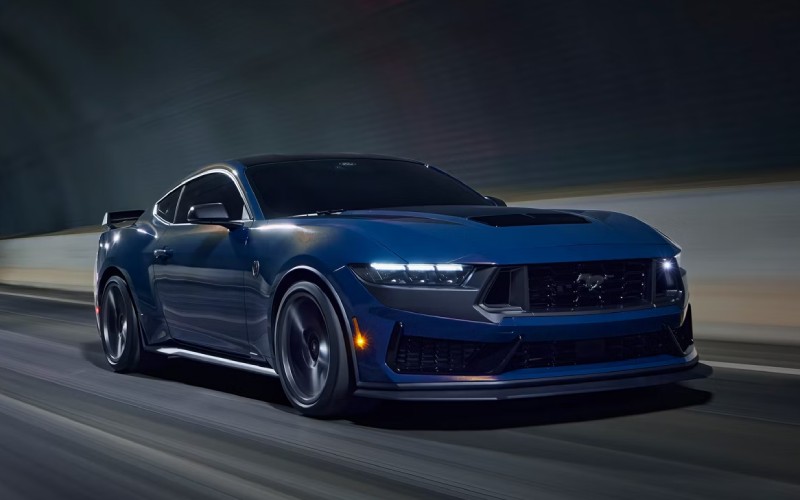
LaFontaine Next Mile – Your first used Ford — a practical guide for Ferndale, MI drivers
If you are shopping for a used Ford and want a clear path from shortlisting to test drive, you are in the right place. Ford’s broad lineup—Ranger and F-150 trucks, Escape and Explorer SUVs, Mustang coupes, and more—means you can build a shortlist around what matters most: capability, fuel economy, passenger space, and technology. In this guide, we will zero in on two things shoppers ask about most: long-term dependability and smart features that make daily driving easier.
What makes a used Ford a smart long-term pick?
It starts with engineering depth. Many Ford SUVs ride on well-tuned independent suspensions for comfort and agility, while trucks leverage robust frames and proven components for towing and hauling. Widespread parts availability and clear maintenance schedules help reduce downtime over the years of ownership. Plenty of models include EcoBoost® engines, known for strong torque and confident passing, while still sipping fuel on the highway. For towing-focused trucks, available Power Stroke® diesel options deliver low-end pull you can feel when merging with a trailer. Pair those engines with a 10-speed automatic tuned for smooth, responsive shifts, and you get drivetrains built to stay composed on I-696, M-10, and the Woodward Avenue corridor.
Inside, Ford’s cabin designs punch above their class for usability. Many vehicles include SYNC® 3 or SYNC® 4 with Apple CarPlay® and Android Auto™, so your apps and maps feel familiar from day one. Larger SUVs like Explorer can offer third-row flexibility and under-floor storage that keeps gear organized, while Escape and Edge often supply split-fold rear seats that open generous cargo room. In trucks, under-seat storage, wide rear doors on crew cabs, and available 110-volt outlets are built for workweeks and weekends alike.
Online shopping tips that save time
Start by writing down how you actually drive—commute length, family needs, parking constraints, towing plans. That turns a long list into a focused one. Then use detailed online filters to align fuel type, drivetrain, seat count, and tech features with your priorities. Read the full feature list carefully, looking for active safety systems like Ford Co-Pilot360® Technology, BLIS® (Blind Spot Information System), and Pre-Collision Assist with Automatic Emergency Braking. If towing matters, make sure you see items such as Trailer Sway Control or Pro Trailer Backup Assist™ on compatible trucks.
- Define your must-haves: List seating, cargo needs, drivetrain, and any towing or off-road requirements.
- Compare powertrains: Weigh EcoBoost® gasoline efficiency against diesel torque, or consider hybrid options for mixed city-highway driving.
- Check driver-assist tech: Confirm the model includes the safety and convenience features you expect.
- Review records: Look for service history details and condition insights to understand how the vehicle was maintained.
- Schedule a test drive: Validate visibility, parking ease, ride comfort, and infotainment usability on familiar roads.
Feature highlights to look for
Ford has scaled premium features across the range, which means you can often find upscale amenities in approachable models. If audio is your thing, look for the B&O Sound System by Bang & Olufsen. For connectivity, FordPass® Connect can add a Wi-Fi hotspot for passengers and cloud-enabled navigation on select systems. Outdoor-minded drivers should scan for available 4×4 or Intelligent AWD, skid plates, and all-terrain tires on SUVs like Bronco Sport or trucks like Ranger. Highway drivers might prioritize Intelligent Adaptive Cruise Control with Stop-and-Go and Evasive Steering Assist, while frequent parkers benefit from a 360-Degree Camera system on select SUVs and trucks.
- Infotainment essentials: SYNC® 3 or SYNC® 4 with Apple CarPlay® and Android Auto™ integration.
- Confidence tech: Ford Co-Pilot360® features such as BLIS®, Lane-Keeping System, and Automatic Emergency Braking.
- Towing helpers: Trailer Sway Control and, on compatible trucks, Pro Trailer Backup Assist™.
- All-weather grip: Intelligent AWD or 4×4 with selectable drive modes for changing road conditions.
- Cabin comfort: Available heated/ventilated seats, dual-zone climate control, and panoramic Vista Roof®.
Powertrain choices, decoded
EcoBoost® engines use turbocharging to deliver torque where you live day to day—off the line, up on-ramps, and during quick passes—while keeping fuel use in check. For sustained towing, a Power Stroke® diesel in a pre-owned Super Duty brings stout low-rpm strength that makes highway merges feel calm even with weight behind you. The available 10-speed automatic transmission in many trucks and SUVs keeps engines right in the powerband, improving responsiveness at city speeds and efficiency at a cruise. If your daily route is a mix of city and suburban roads, do not overlook hybrid options in SUVs or trucks, which layer on smooth electric assistance to reduce fuel stops without sacrificing capability.
Drive systems matter, too. All-wheel drive in Escape, Edge, and Explorer models can help you stay composed on rain-slick neighborhood streets, while selectable 4×4 systems in Ranger and F-150 add low-range authority for trailheads or job sites. Many vehicles also include drive modes that tailor throttle, shift points, and stability controls for snow, sand, or sportier responses—useful when your commute can vary from local errands to freeway sprints between Ferndale, Madison Heights, and Livonia.
Frequently Asked Questions:
How should I evaluate a used Ford for my daily commute?
Match your route to features—long highway stretches favor Intelligent Adaptive Cruise Control and efficient EcoBoost® engines, while tight urban parking benefits from a Rear View Camera and available 360-Degree Camera systems. Always test the infotainment setup and seat comfort during a drive that mirrors your routine.
What Ford safety features are most helpful in metro driving?
Ford Co-Pilot360® highlights include BLIS® with Cross-Traffic Alert, Pre-Collision Assist with Automatic Emergency Braking, and Lane-Keeping System. These systems are designed to assist in congested traffic, lane changes, and sudden stops.
Are used Ford trucks a good fit for towing small campers or boats?
Yes—look for F-150 or Ranger models equipped with Trailer Sway Control, a hitch, 4- or 7-pin wiring, and, on compatible trucks, Pro Trailer Backup Assist™. Pairing the right axle ratio and Tow/Haul mode helps maintain composure on longer grades.
What should I look for in the service history?
Consistent oil changes, timely brake and tire maintenance, and any records of software updates for infotainment or driver-assist systems. For trucks, verify past towing use and maintenance of related components.
Does infotainment vary widely across Ford models?
Yes—many vehicles include SYNC® 3 or SYNC® 4 with Apple CarPlay® and Android Auto™, but screen size, available navigation, and audio upgrades like the B&O Sound System by Bang & Olufsen differ by model. Confirm the exact setup in the listing.
When you are ready to move from research to action, LaFontaine Next Mile helps you compare vehicles efficiently and arrange a test drive that suits your schedule. With clear listings, robust feature detail, and knowledgeable support, the right fit feels closer from the very first click.
From quick-turn errands on Woodward to weekend getaways launched from I-696, the right used Ford is built to handle your routine without fuss. If you prefer torque-rich acceleration, look for EcoBoost® and available diesel options; if your priority is a quiet ride and confident traction, focus on SUVs with Intelligent AWD and highway-friendly driver-assist features. Our goal is to simplify each step and give you the information you need to choose confidently, serving Ferndale, Madison Heights, and Livonia with the kind of guidance that turns a shortlist into the perfect driveway match.
Request more information

LaFontaine Next Mile – Your guide to used Hyundai confidence and tech for Ferndale, MI drivers
When you shop for a used Hyundai online, you want more than a list of features—you want the confidence that what you are seeing translates into a satisfying daily drive. This guide focuses on two areas that matter most to digital shoppers in and around Ferndale, MI: long-term reliability signals and everyday technology that keeps life simple. Whether your route takes you down Woodward for a weekday commute or out to the parks on the weekend, a thoughtfully equipped Hyundai sedan or SUV can make those miles easier.
Hyundai has built a reputation for practical design and value retention, and that shows up clearly in models like Elantra, Sonata, Tucson, and Santa Fe. Many include user-friendly infotainment interfaces, robust safety suites, and cabins that wear hard use gracefully—a big win for second owners who plan to keep a vehicle for years. Below, you will find a structured way to evaluate a used Hyundai from your couch, plus a checklist of features that tend to age especially well.
How to evaluate a used Hyundai online
Start with the basics—photos, notes on service items, and any reconditioning details—then go one level deeper. Small quality clues add up, especially when you cannot see the vehicle in person yet. Use this simple framework to build confidence before you schedule a test drive.
- Exterior walkaround: Look for consistent panel gaps, uniform paint reflections along the doors, and clear headlight and taillight lenses without haze or moisture.
- Interior condition: Scan seat bolsters, steering wheel stitching, and touchpoints like window switches for wear that matches the mileage.
- Technology check: Confirm the infotainment screen is free of lines or blotches and that Apple CarPlay and Android Auto are listed if important to your routine.
- Tire and brake notes: Even wear across tire treads suggests proper alignment; a mention of new pads or rotors is a plus for your first year of ownership.
- Maintenance indicators: Evidence of oil changes, coolant service, and cabin/engine air filter replacements can signal careful prior ownership.
Hyundai features that age especially well
While equipment varies by model, Hyundai’s core strengths show up again and again in used inventory. These are the features that tend to deliver value far beyond the first ownership cycle, helping you feel like you bought more car than you paid for in terms of daily satisfaction.
- Hyundai SmartSense suite: Many vehicles include Forward Collision-Avoidance Assist, Lane Keeping Assist, and Blind-Spot Collision-Avoidance Assist for confidence in traffic.
- Infotainment usability: Large, logically arranged screens with physical volume and tuning controls make Apple CarPlay and Android Auto feel second nature.
- Ride quality: Thoughtful suspension tuning—often with a multi-link rear setup—keeps things composed on patched city streets and smooth on the highway.
- Cabin practicality: Wide door openings, flat cargo floors, and split-folding rear seats make quick work of errands or weekend gear.
- All-weather traction: Available HTRAC All Wheel Drive on crossovers adds surefootedness for wet mornings and winter commutes.
Pay special attention to hybrid and EV variants if low running costs matter to you. Hyundai’s hybrid systems pair efficient gasoline engines with electric motors for smooth, quiet acceleration and strong city mpg, while options like Kona Electric offer instant torque and simplified maintenance. If your Ferndale, MI lifestyle involves frequent short trips with occasional highway runs, these powertrains can be an easy fit—quiet in stop?and?go, calm at speed, and light on fuel or charging costs.
FAQ-focused insight for online Hyundai shoppers
Online buyers often share the same big questions: How do I judge safety equipment from a listing? What tech matters most for my daily routine? The following FAQs address those core concerns so you can narrow choices efficiently.
Frequently Asked Questions:
Which Hyundai safety features should I prioritize in a used model?
Look for Hyundai SmartSense content such as Forward Collision-Avoidance Assist, Blind-Spot Collision-Avoidance Assist, Lane Keeping Assist, and Rear Cross-Traffic Collision-Avoidance Assist. If you spend time on the highway, Highway Driving Assist adds helpful steering and speed support.
Is Apple CarPlay and Android Auto common on used Hyundai vehicles?
Yes, many Hyundais include Apple CarPlay and Android Auto, often with a large, clear touchscreen and convenient USB ports; some models also add Wireless Device Charging for extra convenience.
What about all-weather capability for Southeast Michigan?
Crossovers like Tucson and Santa Fe are often available with HTRAC All Wheel Drive, which helps with traction in rain and on wintry roads while maintaining good on-road manners year-round.
How can I confirm a fair, cared-for example without visiting in person?
Seek high-resolution photos, detailed reconditioning notes, and maintenance history. Even tread wear, clear glass and lighting, and tidy engine bay photos are useful indicators.
Do Hyundai hybrids and EVs make sense for mixed driving?
Absolutely. Hybrids excel in city driving with smooth, efficient operation, and EVs shine if you have home charging. Both deliver remarkably quiet, low-maintenance daily use.
For many shoppers, the final step is scheduling a test drive and confirming that the features you value most—seat comfort, screen visibility, audio clarity—feel right in person. That is where a supportive, transparent process matters. LaFontaine Next Mile offers intuitive online tools, clear vehicle details, and friendly guidance so you can move from first click to keys with confidence.
If you are comparing options across neighboring areas, our team is proudly serving Ferndale, Madison Heights, and Livonia with a curated selection of used Hyundai sedans and SUVs, plus straightforward financing support. Whether your week involves commuting along Woodward, hopping onto I-696, or taking weekend trips out toward local trails, a well-chosen Hyundai can handle it gracefully. Keep this guide handy as you browse, and focus on the features that align most with your daily life—safety tech you will use, connectivity that saves time, and comfort that leaves you relaxed when you pull into the driveway.
Request more information
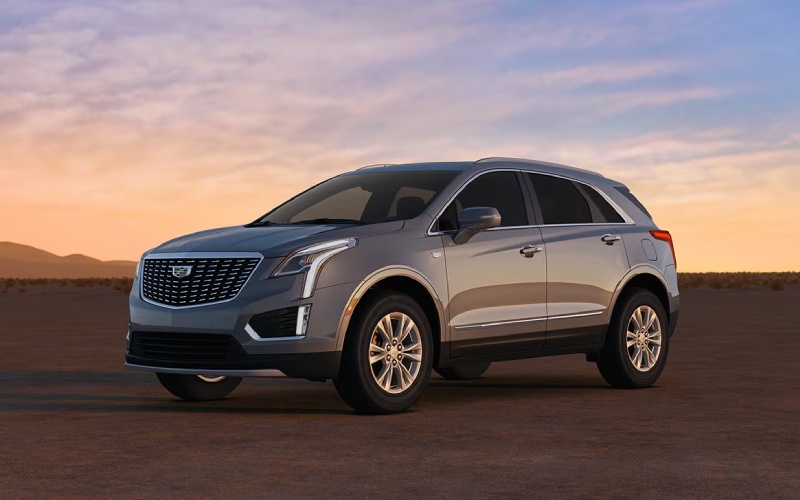
LaFontaine Next Mile – Smart reasons to choose a used Cadillac for Ferndale, MI driving
Shopping for a used Cadillac is as much about feel as it is about features. Drivers want that quiet, confident surge when merging onto Woodward or I-696, the calm of a well-insulated cabin, and the polish that comes from premium materials. That is why used Cadillac sedans and SUVs hold such appeal around Ferndale, MI—these vehicles deliver enduring luxury and advanced technology that still shines years after initial release.
We keep hearing the same questions from online shoppers: Which used Cadillac is the right fit for my commute, weekend errands, and occasional road trips? What long-term ownership benefits matter most? Below, you will find a focused look at two pillars that consistently set Cadillac apart—interior craftsmanship and technology—followed by an FAQ to help you shop with confidence.
Crafted interiors that age gracefully
Luxury cabins are more than a checklist of options; they are crafted environments. Cadillac’s cut-and-sewn approach to dashboards and door panels, the way natural wood or carbon fiber meets leather, and the choice of contrasting stitching patterns create an upscale feel that endures. Many models include heated and ventilated front seats, heated rear outboard seats, tri-zone climate control, and an UltraView panoramic sunroof that brightens every errand run to downtown Ferndale or a drive across 8 Mile.
Sound matters, too. Bose® premium audio is common across the range, with crisp imaging and depth that flatters everything from podcasts to live recordings. In the Escalade, available AKG® systems add studio-grade clarity and impressive channel separation. Apple CarPlay® and Android Auto™ integration—often wireless in newer generations—make everyday connectivity feel natural, while wireless device charging keeps your center console clutter-free.
Technology that simplifies daily driving
Cadillac technology aims to reduce friction, not add it. Many models include intuitive touchscreens powered by Cadillac User Experience, clear digital driver displays, and available Head-Up Displays to keep key info in view. Advanced driver-assistance features—Automatic Emergency Braking, Front Pedestrian Braking, Lane Keep Assist with Lane Departure Warning, Lane Change Alert with Side Blind Zone Alert—deliver guardrail-like support without feeling intrusive.
On compatible highways, available Super Cruise™ brings hands-free confidence to long stretches, using lane-centering and driver attention monitoring to add another layer of reassurance. Magnetic Ride Control™ shows up on various models, smoothing broken pavement and refining ride quality across Ferndale’s urban grid and neighboring corridors, so your commute feels calm and composed.
What to prioritize when shopping used
Even in a strong lineup, the right Cadillac depends on your mix of driving, parking needs, and passengers. If you split time between Woodward Avenue and quick highway hops, a CT5 balances agility with comfort. If you want spacious versatility without going full-size, an XT5 hits the sweet spot. For maximum cargo and presence, the Escalade’s combination of power and poise is tough to match.
- Service records: Consistent maintenance history often reflects attentive ownership and supports long-term reliability.
- Driver-assistance content: Confirm the exact suite of safety features—Cadillac packaged options over the years, and content can vary.
- Infotainment compatibility: Verify Apple CarPlay®/Android Auto™ and wireless charging if those features are important to you.
- Ride technology: If comfort is a top priority, look for Magnetic Ride Control™ or Air Ride Adaptive Suspension where available.
- Powertrain fit: Consider a turbocharged 4-cylinder for efficiency, a V6 for balance, or a V8/turbo-diesel for towing and effortless cruising.
How our team supports your search
Online shoppers want clarity: clean photos, transparent descriptions, and quick answers. Our consultants provide detailed walkarounds, confirm feature content, and help you line up a test drive that fits your schedule. As part of LaFontaine Next Mile, our Farmington Hills hub connects you to a wide pool of vehicles and streamlined financing while keeping the process simple and respectful of your time.
We also recognize that local driving is unique. You need steady acceleration for short on-ramps, steering that helps with street parking around downtown blocks, and calm noise levels for podcast-heavy commutes. Used Cadillacs check those boxes with refined engines, precise steering effort, and QuietTuning that hushes the cabin without muting the drive.
Frequently Asked Questions:
How reliable are used Cadillac engines and transmissions?
Cadillac powertrains are engineered for smoothness and durability. Many models include robust 8- or 10-speed automatics and engines with proven architectures. A vehicle with documented maintenance—fluid changes on schedule, software updates completed—typically delivers excellent long-term performance.
Is all-wheel drive worth it for Southeast Michigan?
Many Cadillac sedans and SUVs offer all-wheel drive for enhanced traction. If you want added stability for variable road conditions or frequently travel across I-696 and surrounding corridors, AWD can be a worthwhile confidence booster without compromising ride quality.
What technology should I look for in a used Cadillac?
Prioritize core driver-assistance features such as Automatic Emergency Braking and Lane Keep Assist with Lane Departure Warning, along with convenience features you plan to use daily—Apple CarPlay®, Android Auto™, wireless charging, and available Head-Up Display. If you spend lots of time on compatible highways, Super Cruise™ adds meaningful value.
How do used Cadillac interiors hold up over time?
Cadillac’s materials and construction age well when cared for properly. Regular cleaning of leather, conditioning where appropriate, and attention to high-touch surfaces preserve the premium look and feel. Many models include durable finishes that maintain their luster for years.
Can I tow with a used Cadillac SUV?
Yes, many Cadillac SUVs are capable tow vehicles when properly equipped. The Escalade offers strong towing capability, and crossovers like the XT5 can handle smaller trailers. Always verify the specific vehicle’s rating and required equipment.
What about audio quality in used Cadillacs?
Bose® premium systems are common and deliver clear, full-range sound. In the Escalade, available AKG® packages raise the bar with outstanding detail and imaging. If audio is a priority, we will help you find a build that matches your expectations.
Buying used should feel reassuring. That is why our process emphasizes education—feature breakdowns, side-by-side comparisons, and transparent reconditioning. From your first online search to the moment you start the engine, we keep the steps simple and the communication clear. With a lineup that blends craftsmanship, technology, and real-world comfort, used Cadillac vehicles are an excellent fit for Ferndale’s rhythm of daily drives, nights out, and weekend errands.
When you are ready, our team is here with tailored guidance and easy next steps, serving Ferndale, Madison Heights, and Livonia. Whether you are drawn to a sleek sedan or a versatile SUV, we will help you find the right balance of features, performance, and refinement—backed by the support you expect from a trusted local partner.
LaFontaine Next Mile is devoted to making your search straightforward, from online browsing to swift approvals and a test drive that fits your calendar. Let us help you capture that uniquely Cadillac blend of quiet, confident luxury on every mile you drive.
Request more information
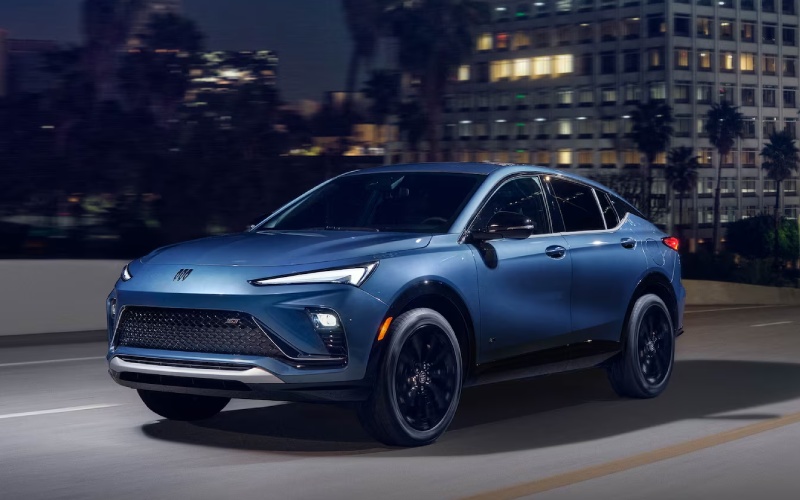
LaFontaine Next Mile – Confident commuting and family time with used Buick SUVs around Livonia, MI
When an SUV blends calm road manners with smart technology, the daily schedule becomes noticeably easier. That’s why so many shoppers look to used Buick SUVs when commuting across Middlebelt, heading to weekend games near Rotary Park, or taking a relaxing drive through Hines Park trailheads around Livonia, MI. Comfort, quiet, and convenience add up quickly, and the right Buick can deliver all three, every day.
The goal here is practical: a refined ride that carries people and gear without stress, cabins that feel upscale without being fussy, and technology that stays helpful rather than distracting. From Encore and Encore GX to Envision and Enclave, used Buick SUVs come well equipped, with many models including Buick Driver Confidence safety features, a Buick Infotainment System with Wireless Apple CarPlay compatibility and Android Auto compatibility, and QuietTuning with Active Noise Cancellation to keep conversation clear and music crisp.
Why used Buick SUVs fit daily life
Livonia traffic ebbs and flows along I-96 and Schoolcraft, and an SUV that stays poised through it all can be a difference-maker. Buick’s suspension tuning focuses on composure, so patched pavement or stop-and-go patterns feel less demanding. That calm baseline spreads through the whole day, whether you’re navigating the morning drop-off line or running evening errands before dinner.
Cabins also punch above their class for thoughtful touches. Many models include heated front seats, soft-touch surfaces, and smart storage solutions. A hands-free power liftgate with logo projection helps when your hands are full after a grocery run, and flexible cargo floors or 60/40-split rear seats make bulky items easy to load. The attention to acoustic-laminated glass and sound insulation further separates you from the din, which is more than a luxury — it’s a way to arrive fresh and focused.
Powertrains and confidence
Turbocharged engines in Encore, Encore GX, Envision, and Regal offer responsive low-end torque that helps with merges and short on-ramps, while Enclave’s V6 power supplies an easy, confident pull with a full cabin. Transmissions are tuned for smoothness, and many configurations include All-Wheel Drive for traction in wet weather or on loose surfaces. The result is a confident, willing feel, without the constant shifting or noise that can wear out a driver on longer days.
Safety also stands tall. Many used Buick SUVs include Automatic Emergency Braking, Forward Collision Alert, Lane Keep Assist with Lane Departure Warning, Following Distance Indicator, and IntelliBeam auto high beams, plus helpful options like Lane Change Alert with Side Blind Zone Alert and Rear Cross Traffic Alert. Teen Driver technology provides extra peace of mind, especially for multi-driver households.
Two aspects Livonia shoppers ask about most
Based on common questions, two topics rise to the top: cabin comfort over time and tech usability. Here’s how used Buick SUVs address both in a way that suits local routines.
- Seat comfort and quiet: Perforated leather-appointed seats, power lumbar support, and heat or ventilation on many models help keep comfort consistent on commutes and longer trips, while QuietTuning with Active Noise Cancellation sustains a low-stress environment.
- Tech that works for you: The Buick Infotainment System supports Wireless Apple CarPlay compatibility and Android Auto compatibility on many models, so maps, podcasts, and calls stay simple. Available Amazon Alexa Built-In and an available Wi-Fi Hotspot through OnStar add live information without clutter.
How to narrow your shortlist
Livonia drivers tend to balance interior space, technology, and maneuverability. If you want an agile footprint for city errands and easier parking, Encore or Encore GX fit the bill, with a tall seating position that improves outward visibility. If you prefer more second-row legroom and a relaxed highway demeanor, Envision is a smart middle ground. For maximum family flexibility, Enclave provides three rows with adult-friendly space and a flat load floor when you fold the third row.
- Define space needs: Count regular passengers, car seats, and pet crates; measure the cargo you carry most often.
- Clarify your tech must-haves: Decide which connectivity and safety features matter most for daily use.
- Consider parking and garage space: Check turning radius and overall height to keep tight areas stress-free.
- Test the seating: Confirm lumbar support, cushion length, and headroom match your posture and comfort preferences.
Frequently Asked Questions:
Do used Buick SUVs keep their cabins quiet as mileage adds up?
QuietTuning with Active Noise Cancellation starts with the structure and sealing, not just the tires, so the calm character tends to remain even as miles accumulate, provided tires and door seals are maintained.
What safety tech is commonly found on used Buick SUVs?
Many models include Automatic Emergency Braking, Forward Collision Alert, Lane Keep Assist with Lane Departure Warning, Following Distance Indicator, and IntelliBeam, plus available Lane Change Alert with Side Blind Zone Alert and Rear Cross Traffic Alert.
Is All-Wheel Drive worth it for daily driving?
AWD adds confidence in rain and on loose surfaces. If your routes include wet ramps, unpaved lots, or frequent weekend adventures, AWD can be a reassuring choice without compromising day-to-day comfort.
How user-friendly is the Buick Infotainment System?
It’s designed for clarity and speed, with many models supporting Wireless Apple CarPlay compatibility and Android Auto compatibility. That makes navigation, calls, and media intuitive without extra steps.
Which used Buick SUV is the most flexible for families?
Enclave stands out with three rows, adult-friendly second-row space, and an easy-fold third row for a wide, flat cargo area. It’s a strong match for carpools, sports gear, and road trips.
Why buy online from a trusted local partner
Shopping from home should feel as substantial as a showroom visit. That’s the guiding principle at LaFontaine Next Mile, where you can browse a large selection, request a virtual walkaround, and start pre-approval in minutes. Our specialists match features to real-world needs and help compare options across a deep inventory so decisions come into focus quickly.
Transparent details, straightforward trade-in steps, and scheduling at your pace make the process smoother from the first click to the handoff of keys. With a network spanning 43 dealerships and 10,000+ vehicles, we deliver convenience and true choice, serving Ferndale, Madison Heights, and Livonia with a level of care that still feels one-to-one.
Whether the best fit is a nimble Encore GX with modern connectivity or a spacious Enclave dialed for family life, used Buick SUVs bring daily calm, flexible cargo solutions, and advanced safety to the routes you drive most. That’s why so many Livonia shoppers keep Buick on the shortlist — and why a streamlined online process can make the final step feel refreshingly straightforward.
Request more information
Connect with us

