

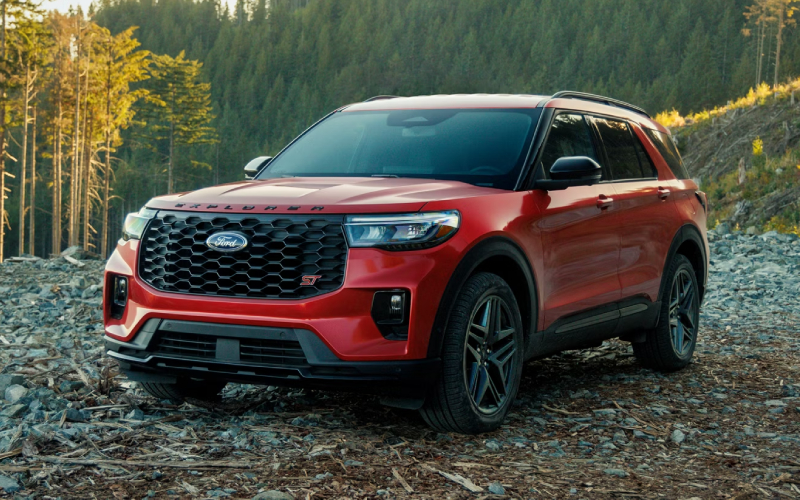
LaFontaine Next Mile – Shop by Payment for a Used SUV in Farmington Hills, MI
Shopping for a pre-owned SUV can feel easier when you start with the payment range that fits your household instead of sorting through vehicles at random. For drivers in Farmington Hills, MI, this approach is especially useful because daily driving can include Grand River Avenue, Orchard Lake Road, I-696, local school routes, and regular trips to nearby communities such as Farmington, Novi, Livonia, and Southfield. A used SUV may need to handle commuting, family errands, weekend activities, and flexible cargo needs, so your monthly comfort zone should work alongside your vehicle priorities. LaFontaine Next Mile provides tools that help shoppers estimate buying power, start pre-approval online, review trade options, and narrow a large inventory into realistic choices. Rather than focusing only on one model or one feature, shopping by payment helps connect your budget plan with practical vehicles that may fit your lifestyle.
Why Payment-Based Shopping Helps
Many shoppers begin with a vehicle wish list, then later learn how financing, trade value, taxes, term length, and available programs affect the overall picture. Starting with payment can reverse that process in a helpful way. You can identify a range that feels manageable first, then compare SUVs that align with that range. This makes it easier to decide whether a compact SUV, midsize SUV, higher-mileage model, or different model year makes the most sense. At our Farmington Hills location, we work with shoppers from nearby areas and help connect vehicle selection with finance options. Our finance team works with local Michigan banks and national lenders, and financing is available for many credit backgrounds. That matters if you are rebuilding credit, new to financing, or simply trying to make a confident purchase without adding unnecessary stress.
- Clearer comparisons: A payment range helps you compare vehicles based on total fit instead of only mileage, year, or trim.
- Better time savings: You can avoid spending hours on SUVs that do not match your practical buying plan.
- Trade-in planning: An estimated trade value can help you understand how your current vehicle may affect your next purchase.
- Feature prioritization: You can decide which features matter most, such as all-wheel drive, seating comfort, driver assistance, or smartphone connectivity.
Payment-based shopping does not mean choosing the first vehicle that fits a number. It means building a smarter shortlist. For example, a shopper may compare a newer compact SUV with a slightly older midsize SUV. The compact option may offer newer technology and lower mileage, while the midsize option may provide more cargo space and a stronger family fit. A payment-focused search helps put both choices into a realistic framework. You can also consider ownership factors such as fuel efficiency, insurance category, tire size, maintenance history, and overall condition. For local drivers who move between suburban streets and Metro Detroit highways, a pre-owned SUV should feel comfortable, manageable, and useful every day.
How Online Pre-Approval Fits the Process
Online pre-approval is a practical first step because it helps our finance professionals understand your situation before you arrive. The process can save time and make your visit more productive. Once you complete the application, our team can work on a loan package tailored to your needs. The LaFontaine Next Mile finance department helps shoppers with a wide range of credit profiles, from strong credit to credit that needs improvement. We also provide a payment calculator to help estimate buying power and monthly payment possibilities. These tools do not replace a full conversation, but they do help you shop with more clarity before scheduling a test drive or visiting the showroom.
- Estimate your preferred monthly range before browsing.
- Use the online credit application to begin pre-approval.
- Review your current vehicle through the trade appraisal tool if you plan to trade.
- Compare SUVs by body style, mileage, features, and driving needs.
- Schedule a test drive once you have a focused shortlist.
A test drive is where your payment plan meets real-world comfort. Pay attention to seat support, visibility, steering feel, braking response, cabin noise, cargo access, and how easy the infotainment system is to use. If you drive around Farmington Hills daily, think about parking lots, lane changes, tight turns, and highway ramps. If family use is part of the plan, bring a child seat, stroller, sports bag, or anything else you carry often. The right used SUV should fit your budget and your habits. It should also feel natural to operate, easy to park, and comfortable for the people who ride with you most.
Using Trade Value to Strengthen Your Plan
If you have a current vehicle, trade appraisal can be an important part of shopping by payment. Our online appraisal process asks for details such as year, make, model, trim, VIN, mileage, color, and approximate payoff. Having that information ready can help our team evaluate your situation more efficiently. A trade may change your financing path, your vehicle options, or the amount you plan to finance. Even if you are unsure whether you want to trade or keep your current vehicle, starting the appraisal gives you helpful context. This is especially useful for shoppers who still owe money on a vehicle or want to simplify the transition into a more practical SUV.
LaFontaine Next Mile is built around making the pre-owned process faster and easier, with access to 43 different dealerships and more than 10,000 pre-owned vehicles across the network. That wide access matters when shopping by payment because it gives our team more room to match your preferred range with body style, mileage, features, and availability. Instead of settling for a vehicle that simply happens to be nearby, you can work with specialists who understand inventory and can help identify a better fit. Whether you want a compact SUV for commuting, a midsize SUV for family use, or a versatile crossover with modern technology, our team can help organize the search around your needs.
Frequently Asked Questions:
Is shopping by payment better than shopping by price?
Both matter, but payment-based shopping helps you understand how financing terms, trade value, and buying power connect to your monthly budget. It can make the search more realistic from the beginning.
Can I start the finance process before choosing a vehicle?
Yes. Starting with online pre-approval can help you understand available options and narrow your search before selecting a specific SUV.
What if my credit is not perfect?
Our finance team works with many credit situations, including shoppers who have missed payments, are rebuilding credit, or are new to financing.
Can I test drive more than one SUV?
Yes. Comparing more than one SUV is often helpful because comfort, visibility, cargo space, and technology can feel very different once you are behind the wheel.
If you are ready to shop smarter in Farmington Hills, MI, start with the tools that bring clarity to your next move. Review pre-owned inventory, estimate your buying power, begin online pre-approval, and use the trade appraisal process if you have a vehicle to replace. Our team is here to help you move from a broad search to a focused shortlist, then into a used SUV that fits your daily life with confidence.
Request more information
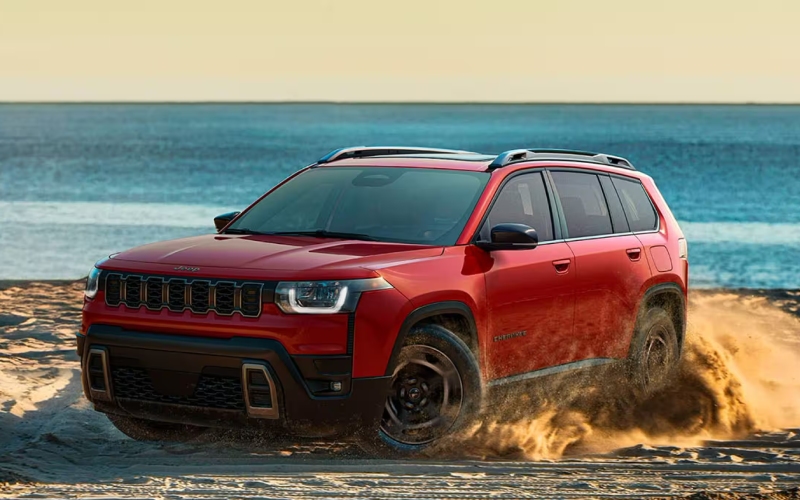
LaFontaine Next Mile – What Redford, MI Drivers Should Know Before Choosing a Used Jeep
Shopping for a used Jeep can be exciting because the lineup covers so many needs without losing the adventurous identity that made Jeep® vehicles famous. For Redford, MI drivers, a pre-owned Jeep can make sense for a wide range of routines, from everyday commuting along local roads to visiting nearby communities, running errands, hauling gear, or heading out for a weekend drive. Models such as Wrangler, Grand Cherokee, Cherokee, Compass, Renegade, and Gladiator each bring a different personality, so the best choice depends on how you drive, how much space you want, and what type of capability matters most. A Wrangler may attract someone who wants open-air freedom and trail-ready confidence. A Grand Cherokee may be a better fit for a shopper who prefers a refined cabin, strong performance, and family-friendly comfort. Compass and Cherokee can be ideal for drivers who want SUV practicality in a size that feels easy to manage.
At LaFontaine Next Mile, our goal is to make that comparison easier by helping online shoppers move from general interest to a confident shortlist. Our Farmington Hills location gives customers access to a large pre-owned network, online financing resources, trade appraisal tools, and a team that can help narrow options based on features, body style, mileage, equipment, and driving preferences. We are proud to assist shoppers throughout metro Detroit, serving Redford, Ferndale, and Madison Heights with a process designed around convenience and selection. If you are beginning your search online, it helps to understand the main strengths of used Jeep vehicles before choosing a test drive.
Why a Used Jeep Appeals to Local Drivers
A used Jeep is often chosen for versatility. Many shoppers want an SUV that can handle daily life without feeling ordinary, and Jeep models offer a mix of comfort, utility, and recognizable design. Redford-area drivers often navigate a blend of neighborhood streets, major corridors, work commutes, and busy parking areas, so visibility, manageable proportions, and confident road manners can matter as much as rugged capability. Compass and Cherokee can be strong choices for those priorities, while Grand Cherokee adds more space and refinement for passengers and cargo.
Capability is another key reason shoppers choose Jeep. Many models include available 4×4 systems, which can provide extra confidence on loose gravel, wet pavement, uneven surfaces, or unpaved routes. Wrangler is the most recognizable example, but Jeep capability is not limited to one model. Grand Cherokee, Cherokee, Compass, Renegade, and Gladiator can also offer traction-focused equipment depending on the specific vehicle. This range gives buyers the flexibility to select a Jeep that fits a daily routine first, then adds the desired level of capability.
Choosing the Right Used Jeep Model
The best used Jeep for you depends on your priorities. Start by thinking about passenger space, cargo needs, parking comfort, towing interests, and preferred driving feel. A shopper who wants a compact footprint may lean toward Renegade or Compass. A driver who values premium comfort and road-trip space may prefer Grand Cherokee. Someone who wants a vehicle that feels unique every time it is driven may place Wrangler at the top of the list. Gladiator is a strong option for shoppers who like Jeep character but also want a pickup bed for tools, equipment, bikes, or outdoor gear.
- Wrangler: Best known for open-air capability, iconic styling, available 4×4 systems, removable roof configurations on many models, and a loyal enthusiast following.
- Grand Cherokee: A strong match for shoppers who want comfort, road confidence, available advanced safety features, and a more upscale SUV feel.
- Compass: A practical compact SUV choice with modern design, efficient sizing, useful cargo space, and available traction technology on many models.
- Cherokee: A balanced option for drivers seeking everyday comfort, available 4×4 capability, and a cabin that works well for commuting and errands.
- Gladiator: A Jeep truck with pickup-bed utility, distinctive styling, and available equipment that supports towing and hauling when properly equipped.
Interior Features Worth Comparing
Interior features can make a major difference during ownership, especially if your Jeep will be used every day. Many pre-owned Jeep models include the Uconnect® system, which is known for straightforward menus and accessible controls. Depending on equipment, you may find Apple CarPlay® support, Android Auto™ compatibility, heated front seats, a heated steering wheel, remote start, dual-zone automatic temperature control, and multiple USB ports. These features can help make commutes, errands, and longer drives more comfortable and connected.
Cargo flexibility is also worth a close look. Compass, Cherokee, and Grand Cherokee models often include folding rear seats, giving you room for luggage, groceries, home improvement items, or sports gear. Wrangler offers a more rugged interior feel, which can be a benefit for drivers who want something durable and easy to enjoy. Gladiator adds the separate utility of a truck bed while still giving passengers a cabin with Jeep personality. When comparing used models online, review photos carefully and check the equipment list because interior features can vary from vehicle to vehicle.
Capability and Powertrain Considerations
Jeep powertrains vary across the lineup, so it is helpful to think beyond horsepower alone. Smooth acceleration, transmission behavior, drivetrain layout, towing needs, and fuel range all affect how a vehicle fits your routine. Many Jeep SUVs pair gasoline engines with automatic transmissions designed for confident daily driving. Wrangler emphasizes control and capability, especially on models with available low-range gearing. Grand Cherokee may offer a more composed highway feel. Compass and Cherokee can provide a balanced blend of efficiency, traction, and maneuverability.
- Define your driving routine: Consider commuting distance, passenger needs, parking space, and how often cargo flexibility matters.
- Decide on drivetrain preference: Compare front-wheel drive, rear-wheel drive, all-wheel drive, and 4×4 options based on your confidence needs.
- Review feature details: Check each listing for Uconnect®, safety systems, seating features, towing equipment, and wheel or tire setup.
- Schedule a test drive: A test drive helps confirm visibility, ride comfort, steering feel, braking response, and cabin comfort.
Why Shop Online Before Visiting
Online shopping helps you save time and compare more vehicles at your own pace. Instead of starting with a broad guess, you can filter by body style, model, mileage, features, drivetrain, and other details before selecting a few strong candidates. A well-prepared online search also makes the showroom visit more productive because you can focus on driving the vehicles that already fit your needs. Our website resources are built to support that process, including inventory browsing, pre-approval options, trade appraisal tools, and test drive scheduling.
For many buyers, financing is an important part of planning. Our finance team works with customers from many Michigan communities and can help with a wide range of credit backgrounds. Online pre-approval can simplify the next step by giving you a clearer path before visiting. If you have a trade, starting an appraisal online can also help organize your information in advance. The goal is not just to find a used Jeep, but to find one that fits your driving habits, feature preferences, and ownership goals.
Frequently Asked Questions:
Which used Jeep model is best for daily driving?
Compass, Cherokee, and Grand Cherokee are often strong daily-driving choices because each one offers SUV practicality, comfortable seating, and useful technology. Wrangler can also work well for daily driving if you prefer a more rugged feel and iconic design.
Should I choose a used Jeep with 4×4?
A 4×4 system can be valuable if you want added traction confidence or plan to drive beyond paved roads. If most driving stays on city streets and highways, a two-wheel-drive model may still fit your needs. The best choice depends on your routine.
What features should I look for in a used Jeep?
Look for the features that support your everyday life, such as Uconnect®, Apple CarPlay® support, Android Auto™ compatibility, heated seats, a rearview camera, Blind Spot Monitoring, available 4×4 capability, and fold-flat rear seating.
How can I narrow my options before a test drive?
Start by choosing your preferred body style, passenger space, drivetrain, and feature priorities. Then compare photos, vehicle history details, equipment, and mileage. Once you have a shortlist, a test drive can confirm comfort and driving feel.
Request more information
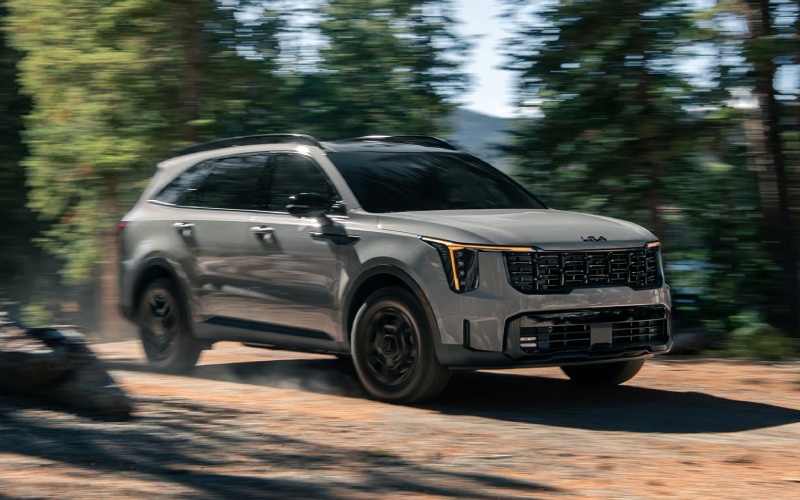
LaFontaine Next Mile – What to Know When Shopping for a used Kia near Novi, MI
A used Kia can be a strong fit for shoppers who want modern features, flexible body styles, and a buying process that feels manageable from the start. Kia has grown into a brand known for practical design, advanced technology, and a wide lineup that covers everything from compact cars to three-row SUVs and electrified options. That variety matters for local drivers who may need an efficient commuter during the week, a roomy crossover for family plans, or a vehicle with the kind of cargo space that helps with daily errands around Oakland County.
At LaFontaine Next Mile, our approach is centered on making pre-owned shopping easier for online consumers who want clear choices and helpful tools before visiting. We offer access to a large network of pre-owned vehicles, and our team can help narrow the search based on body style, mileage, features, financing goals, and trade-in plans. For shoppers near Farmington Hills, Farmington, and Novi, this matters because the right vehicle should match local driving needs, whether that means smooth highway travel, easy parking, confident all-wheel drive availability, or seating flexibility for a busy household.
Why Used Kia Vehicles Appeal to Online Shoppers
Kia vehicles are often appealing because the lineup is easy to understand and full of practical choices. A used Forte or K5 may suit someone who wants a sedan with a comfortable cabin and user-friendly technology. A used Soul offers a unique shape with surprising interior space, while a Seltos or Sportage can provide crossover flexibility without feeling oversized. For larger households, Sorento, Telluride, and Carnival models can deliver generous seating, cargo room, and available comfort features that make daily driving more convenient.
Technology is another major advantage. Many Kia models include Apple CarPlay® and Android Auto™, which help drivers connect compatible smartphones for navigation, music, messages, and calls. Select vehicles may include Kia Connect, wireless charging, touchscreen displays, rearview camera systems, multiple USB ports, heated seats, ventilated seats, and smart key access. Since equipment can vary from vehicle to vehicle, online browsing gives shoppers an easy way to compare features and decide which Kia deserves a closer look.
Popular Used Kia Body Styles to Consider
The best used Kia for one driver may look very different from the best Kia for another, which is why a broad inventory is so helpful. Instead of starting with only one model in mind, many shoppers benefit from thinking about daily use first. Passenger space, cargo needs, parking preferences, commute length, and technology expectations can all guide the search.
- Sedans: Forte and K5 models can be excellent choices for drivers who value efficient commuting, a composed ride, and straightforward interior controls.
- Compact crossovers: Soul and Seltos models offer helpful cargo space, easy maneuverability, and seating positions that feel comfortable for city and suburban driving.
- Versatile SUVs: Sportage and Sorento models can work well for families, commuters, and drivers who want available all-wheel drive and extra cargo flexibility.
- Three-row options: Telluride and Carnival models are appealing for shoppers who need passenger capacity, comfort, and a cabin designed for active households.
- Electrified choices: Niro and EV6 models may attract shoppers interested in hybrid, plug-in hybrid, or electric driving options, depending on current availability.
Safety and Driver Assistance Features
Many used Kia shoppers place safety near the top of the list, and Kia has made many helpful systems available across the lineup. Depending on model and equipment, a pre-owned Kia may include Kia Drive Wise technologies such as Forward Collision-Avoidance Assist, Lane Keeping Assist, Lane Following Assist, Blind-Spot Collision Warning, Rear Cross-Traffic Collision-Avoidance Assist, Driver Attention Warning, and Smart Cruise Control with Stop & Go. These features are designed to support driver awareness and help make everyday travel feel more confident.
It is important to review each vehicle individually because safety features can vary. Online listings help shoppers compare equipment, but a conversation with our team can add helpful context. For example, a family may prioritize Rear Cross-Traffic Collision-Avoidance Assist for parking lots and school pickup areas, while a commuter may focus on Smart Cruise Control with Stop & Go and Lane Following Assist for regular highway travel. The right match depends on how the vehicle will be used most often.
How to Shop Smarter Online
Online research can make the used-vehicle process faster and more comfortable. A shopper can compare models, body styles, colors, mileage, equipment, and availability before scheduling a test drive. Our website also supports key steps such as pre-approval and trade appraisal, which can help reduce uncertainty and save time once a customer is ready to move forward.
- Start with body style: Decide whether a sedan, SUV, hatchback, minivan, hybrid, or electric vehicle best fits daily driving needs.
- Review must-have features: Look for items such as Apple CarPlay®, Android Auto™, all-wheel drive availability, heated seats, or driver assistance systems.
- Use pre-approval tools: Online finance resources can help shoppers understand options before visiting.
- Check trade-in information: A trade appraisal can help organize the next step if replacing a current vehicle.
- Schedule a test drive: Driving the vehicle confirms comfort, visibility, technology ease, and overall feel.
Financing Support for a Wide Range of Shoppers
Financing is an important part of the used Kia shopping journey, and our finance resources are designed to support different credit situations. Our finance team works with local and national lenders, and shoppers can begin with an online credit application. The goal is to provide a clear path forward, whether a customer has strong credit, is rebuilding credit, or wants to compare available finance programs for a pre-owned vehicle.
Because used Kia vehicles can vary in mileage, equipment, and availability, working with a knowledgeable team helps shoppers make more informed decisions. Our staff can explain available protection products, extended warranty programs, and other value-added services that may be relevant for long-term ownership. That professional guidance is one reason many online consumers prefer to move from research to purchase with a dealership that offers both inventory depth and personalized support.
Frequently Asked Questions:
Which used Kia model is best for commuting?
Forte, K5, Soul, and Niro models are often popular with commuters because of efficient performance, comfortable cabins, and easy-to-use technology. The best choice depends on preferred size, seating position, cargo needs, and whether a shopper wants a sedan, hatchback-style vehicle, or electrified option.
Are used Kia SUVs good for families?
Yes, many used Kia SUVs are well suited for family use. Sportage and Seltos models offer compact versatility, while Sorento and Telluride models can provide additional passenger space. Carnival models are also appealing for families who want minivan practicality with a modern cabin layout.
Can I start the buying process online?
Yes. Online shoppers can browse inventory, review vehicle details, submit a finance pre-approval form, estimate buying power with available tools, request trade appraisal information, and schedule a test drive. Starting online helps make the in-person portion more focused and efficient.
Do used Kia vehicles include advanced safety features?
Many used Kia models include available Kia Drive Wise features, though equipment varies by vehicle. Shoppers should review each listing for systems such as Forward Collision-Avoidance Assist, Lane Keeping Assist, Blind-Spot Collision Warning, and Rear Cross-Traffic Collision-Avoidance Assist.
A used Kia can be a practical, comfortable, and technology-friendly choice for many kinds of drivers. With a broad model lineup, useful online tools, and professional support from our team, shoppers can move through the process with more confidence and less guesswork. Whether the priority is efficiency, passenger space, cargo flexibility, safety technology, or all-around value, the Kia lineup offers many reasons to take a closer look.
Request more information
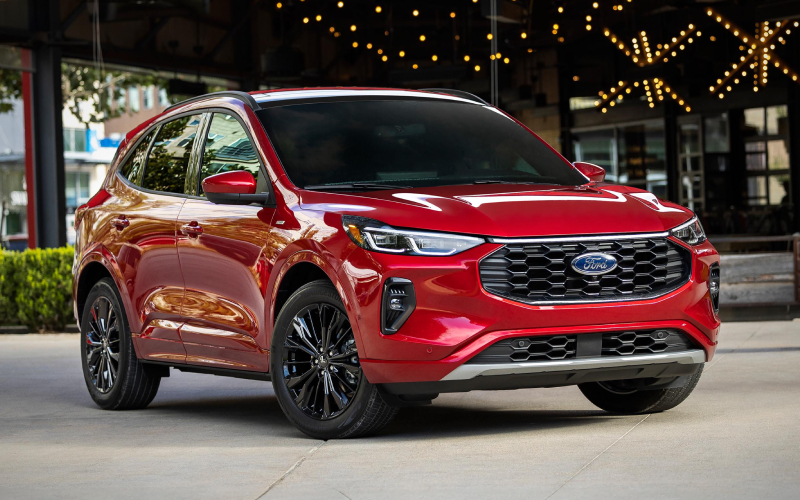
LaFontaine Next Mile – How to Use Shop by Payment Tools for Used Cars in Farmington Hills, MI
Why Payment-Based Shopping Helps Local Drivers Save Time
Shopping for a used vehicle in Farmington Hills, MI can feel much more manageable when you begin with a realistic payment range instead of a long list of makes and models. Many local drivers move between Grand River Avenue, Orchard Lake Road, I-696, I-275, and surrounding communities such as Farmington, Novi, Livonia, and Southfield. Because daily driving needs can vary so much, payment-based shopping helps connect your budget with the type of vehicle that actually fits your routine. A commuter may want a comfortable sedan with efficient fuel economy, while a family may prefer a pre-owned SUV with flexible seating and cargo space. A homeowner or small business driver may need a truck that supports hauling, projects, or weekend travel.
At LaFontaine Next Mile, we know a pre-owned purchase is a major decision, and we want shoppers to feel organized from the start. Our website includes tools that support a more focused search, including pre-owned inventory, online pre-approval, trade appraisal, and payment resources. Instead of guessing which vehicles might work, you can begin with your preferred monthly payment and then compare inventory based on body style, mileage, features, and value. That makes the process easier whether you are considering a vehicle under a specific budget range, looking for a quality pre-owned SUV, or comparing options across multiple brands.
What to Consider Before Choosing a Monthly Payment
A monthly payment is important, but it should not be the only number you consider. A smart used-car budget includes the payment plus fuel, insurance, registration, routine ownership expenses, and any protection products you may choose. It also helps to think about how long you plan to keep the vehicle and how it will be used. A driver commuting from Farmington Hills to Detroit may value fuel economy and comfortable seating, while someone driving children to activities around Novi or Livonia may prioritize rear-seat space, driver-assist features, and easy cargo access.
- Daily route: Think about highway time, neighborhood driving, parking space, and passenger needs.
- Vehicle type: Compare sedans, SUVs, trucks, hatchbacks, coupes, and minivans based on how you actually use your vehicle.
- Trade-in value: Your current vehicle may help lower the amount financed if it has positive equity.
- Credit profile: Financing options can vary depending on credit history, income, down payment, and lender review.
- Long-term fit: Choose a vehicle that still makes sense if your commute, family schedule, or cargo needs change.
Thinking through these factors early helps you avoid choosing a vehicle that fits the payment but not your life. For example, a smaller car may offer strong value, but an SUV may be more practical if you regularly carry sports equipment, luggage, pets, or work supplies. Likewise, a truck may be the right answer for towing and hauling, but a crossover may be easier to park and more comfortable for everyday errands. The best pre-owned vehicle is the one that balances affordability, usefulness, and confidence.
How Online Pre-Approval Supports a Better Search
Online pre-approval can be especially helpful because it gives the finance team a starting point before you arrive. The Next Mile Farmington finance department works with customers from Farmington Hills and communities across Michigan, including Novi, Ann Arbor, Brighton, Troy, and nearby areas. Whether your credit is excellent, mixed, or in rebuilding mode, the goal is to review available paths and help create a financing package tailored to your situation. Pre-approval does not replace final lender review, but it can save time and help you understand what may be possible before you spend hours comparing vehicles.
If your credit is strong and you have a consistent payment history, online pre-approval can help move the process forward efficiently. If you have missed payments in the past, are new to the country, or have been turned down before, it is still worth starting the conversation. We work with local and national lenders and provide programs designed to meet different needs. The key is to provide accurate information so our finance professionals can review the right options. When combined with payment-based shopping, pre-approval can turn a broad vehicle search into a more focused buying plan.
Why Your Trade-In Details Matter
If you plan to trade your current vehicle, the trade appraisal step can play a meaningful role in your payment plan. The online appraisal process asks for information such as year, make, model, trim, VIN, mileage, color, and approximate payoff. These details help create a clearer picture of your current vehicle and how it may affect the purchase. A trade with positive equity can reduce the amount financed, while a vehicle with a remaining payoff may require additional review. Either way, having trade information ready helps the conversation move faster.
Farmington Hills shoppers often trade vehicles because needs change. A sedan that worked well for commuting may no longer fit a growing family. A compact SUV may be replaced by a larger model with more cargo room. A truck may become useful when projects, outdoor activities, or work demands increase. By combining trade appraisal, payment tools, and a larger pre-owned inventory network, you can compare more realistic options. This is where access to 43 dealerships and 10,000+ vehicles can be a major advantage, because the right match may not be limited to one small selection.
How to Make the Most of a Test Drive
Once your payment range and financing direction are clearer, a test drive helps confirm whether the vehicle fits your expectations. Do more than circle the block. Pay attention to seat comfort, visibility, brake feel, steering response, technology layout, cabin noise, cargo access, and how easily passengers can enter and exit. If you spend time on highways, try to include a route that gives you a feel for acceleration and cruising comfort. If you often drive through tight parking lots or neighborhood streets, check turning radius, backup camera clarity, and overall size.
A test drive is also the right time to ask questions about vehicle history, mileage, features, available protection options, and how the payment estimate may change based on final terms. When you arrive prepared, our team can help you compare vehicles more efficiently. You may find that the vehicle you expected to like is not the best fit, or that another model gives you better comfort and value. That is the benefit of combining online research with an in-person drive: you get both convenience and confidence.
Frequently Asked Questions:
Can I start shopping by payment before I know which vehicle I want?
Yes. Starting with a payment range can help narrow your options by budget and lifestyle. It is a useful first step if you are open to multiple brands, body styles, or mileage ranges.
Is online pre-approval only for buyers with perfect credit?
No. Financing is available for a wide range of credit situations. Our finance team can review different paths whether your credit is strong, recovering, or still being established.
Should I complete a trade appraisal before visiting?
Yes, if you plan to trade. Providing vehicle details in advance helps estimate how your current vehicle may affect the amount financed and the payment range you are considering.
What should I bring to make the process smoother?
Helpful items include identification, income information, residence details, trade-in documents if applicable, payoff information, and any questions about the vehicles you want to compare.
Start with the Payment, Then Find the Right Vehicle
Used-car shopping works best when your payment range, financing path, trade-in details, and daily driving needs are aligned. LaFontaine Next Mile is designed to make that process faster and easier for Farmington Hills drivers by offering online tools, a helpful finance team, and access to a large pre-owned inventory network. Whether you need an efficient commuter, a family-ready SUV, a capable truck, or a value-focused vehicle with the right features, starting with payment can help you shop with clearer expectations. When you are ready, explore inventory, use the online pre-approval form, estimate your trade, and schedule a test drive so we can help you find a pre-owned vehicle that fits your next mile.
Request more information
LaFontaine Next Mile – Sedan or Small SUV – Which Used Vehicle Fits Farmington, MI Driving?
Choosing between a used sedan and a small SUV is one of the most common decisions for Farmington, MI shoppers, and the right answer often depends on daily habits more than vehicle popularity. Around Farmington and Farmington Hills, many drivers split time between local errands, school drop-offs, work commutes, and highway travel toward Novi, Southfield, or Livonia. A sedan can be an excellent match for shoppers who value fuel efficiency, easy parking, and a quieter commute. A small SUV can make sense for drivers who want a higher seating position, more flexible cargo space, and easier loading for sports gear, pet supplies, or weekend luggage. Since both body styles can be found in modern pre-owned inventory, comparing the details is more useful than assuming one is automatically better.
Start With How You Actually Drive
Farmington drivers often need a vehicle that feels comfortable on Grand River Avenue, Orchard Lake Road, I-696, and neighborhood streets. If most trips involve commuting alone, visiting local shops, or driving to work with minimal cargo, a sedan may provide everything needed in a more efficient package. A compact sedan can be simple to maneuver in tight parking lots, while a midsize sedan can add comfort for longer highway drives. A small SUV may be better for a driver who regularly carries family members, folding chairs, work equipment, or bulky purchases. The best first question is simple: what does your vehicle need to carry on an average week?
- Choose a sedan if: You prioritize fuel economy, a lower step-in height, simple parking, and a smooth daily commute.
- Choose a small SUV if: You need flexible cargo space, available all-wheel drive, higher visibility, and easier loading for larger items.
- Compare both if: Your routine includes commuting during the week and family, hobby, or travel needs on weekends.
Compare Space, Comfort, and Visibility
A sedan usually separates passengers from cargo with a traditional trunk, which can be useful for keeping valuables out of sight and organizing groceries or work bags. Many midsize sedans also offer generous rear-seat space, making the body style more family-friendly than some shoppers expect. A small SUV, however, usually provides a hatch-style cargo area with folding rear seats, which creates more flexible space for taller or irregularly shaped items. Visibility can also feel different. Some shoppers enjoy the lower, more planted feel of a sedan, while others prefer the higher seating position of a small SUV. A test drive should include both city speeds and highway merging so you can compare seating comfort, mirror placement, blind spots, cabin noise, and steering response in real conditions.
Think About Ownership Costs Beyond the Monthly Payment
Budget-conscious shoppers around Farmington should look past the initial purchase decision and compare long-term ownership factors. Sedans often have an advantage in fuel economy, tire replacement costs, and overall simplicity. Small SUVs may use larger tires, and available all-wheel drive can add maintenance considerations, but the added utility may be worth it for the right household. Insurance costs can vary by model, trim, safety features, engine, and vehicle history, so it is wise to compare estimates before deciding. Fuel economy also matters if your weekly routine includes commuting across Oakland and Wayne counties. A difference of several miles per gallon can become meaningful over time, especially for a driver covering longer highway distances.
- Fuel economy: Sedans often lead, especially compact and hybrid models.
- Cargo flexibility: Small SUVs usually offer more usable space with folding rear seats.
- Ride comfort: Midsize sedans can feel especially smooth on longer highway drives.
- Traction options: Small SUVs more commonly offer all-wheel drive, depending on model and trim.
- Maintenance planning: Tires, brakes, drivetrain layout, mileage, and service history all deserve attention.
Use Online Tools to Narrow the Search
Our Farmington Hills location is designed to make pre-owned shopping easier by helping drivers compare vehicles before committing to a visit. Online inventory tools allow shoppers to search by year, make, model, and body style, which is useful when comparing sedans and small SUVs side by side. The website also includes pre-approval, trade appraisal, payment calculator, and test drive scheduling tools. A shopper with a current vehicle can begin a trade appraisal online by entering basic vehicle details such as year, make, model, trim, VIN, mileage, color, and approximate payoff. That preparation can make the next step more focused, especially if a shopper wants to compare a sedan and small SUV in the same visit.
Financing flexibility is another important part of the process. The finance department works with customers from Farmington Hills, Novi, and other Michigan communities, with programs for a wide range of credit situations. Online pre-approval can help clarify buying power early, and a payment calculator can assist with planning before narrowing the final vehicle list. This is especially helpful when comparing two body styles because the best vehicle is not always the one with the most features. The better choice is the one that aligns with your comfort needs, driving routine, payment goals, and expected ownership costs.
Frequently Asked Questions:
Is a sedan better than a small SUV for commuting in Farmington, MI?
A sedan can be better for commuting if you want strong fuel economy, easy parking, and a smooth ride. A small SUV can be better if you want more cargo flexibility or a higher seating position.
Should I test drive both body styles before deciding?
Yes. A test drive helps compare visibility, seat comfort, steering feel, cargo access, cabin noise, and technology layout. Online research is helpful, but real driving impressions matter.
Can a small SUV still be budget-friendly?
Yes. Many used small SUVs offer good value, especially when mileage, condition, equipment, and maintenance history are carefully reviewed. A payment calculator and pre-approval can help with planning.
The best choice for Farmington, MI driving comes down to daily use. If your routine is mostly commuting, errands, and efficient travel, a used sedan may be a smart fit. If your life calls for extra cargo room, passenger flexibility, or available all-wheel drive, a small SUV may suit your needs better. Our Next Mile team can help compare both options, answer questions, review financing paths, and schedule a test drive so your decision feels informed from the start.
Request more information
How to Choose a Used Daily Driver for Novi, MI Commutes, Campus Runs, and Family Errands
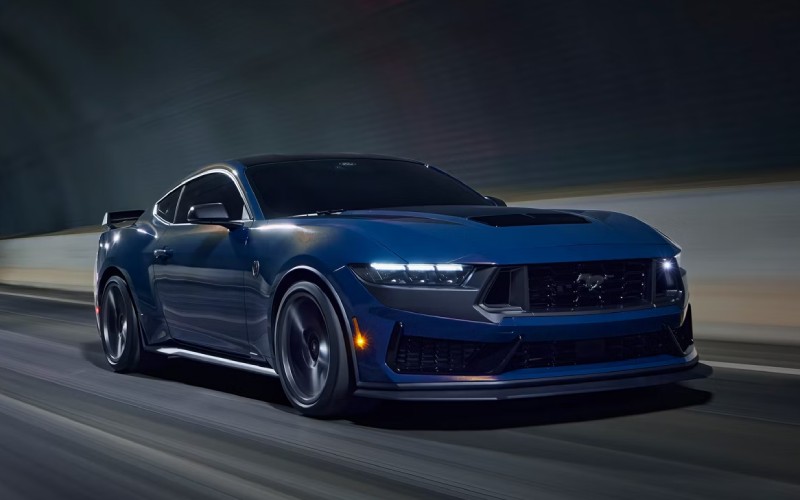
LaFontaine Next Mile – How to Choose a Used Daily Driver for Novi, MI Commutes, Campus Runs, and Family Errands
Finding the right used daily driver for Novi, MI is about more than choosing a familiar badge or a popular body style. Local driving can include quick trips along Novi Road, commutes toward I-96, errands near Twelve Oaks Mall, family activities around neighborhood schools, and longer drives toward Farmington Hills, Livonia, Southfield, or downtown Detroit. A good pre-owned vehicle should feel comfortable through all of that, with the right mix of reliability, efficiency, passenger room, technology, and long-term practicality. For many Novi shoppers, the best choice may be a sedan, hatchback, compact SUV, midsize SUV, or truck, depending on how each week looks. Our goal is to help drivers focus on fit first, then compare condition, mileage, features, and financing options with more confidence.
Start With Your Weekly Driving Pattern
Before comparing vehicles, take a few minutes to define your normal routine. A driver who spends most of the week traveling from Novi to Farmington Hills or Southfield may want a fuel-efficient sedan with supportive seats, a quiet cabin, and helpful highway technology. A household managing school drop-offs, sports practices, grocery runs, and weekend plans may prefer a compact or midsize SUV with flexible cargo space and easy rear-seat access. Someone who works in trades, handles home projects, or tows small equipment may need the utility of a truck. The right answer is personal, but a clear routine prevents overbuying, underbuying, or choosing a vehicle that looks good online but feels inconvenient during daily use.
Think about who rides with you, what you carry, and where you park. Novi has a mix of residential neighborhoods, busy shopping corridors, office parks, and freeway access points, so maneuverability matters just as much as comfort. A compact vehicle can be easier to park near restaurants and shopping centers, while an SUV can make loading strollers, work bags, sports equipment, or luggage much simpler. If you regularly travel with passengers, check rear-seat legroom, child-seat access, and door opening size. If most trips are solo, a smaller vehicle with strong fuel economy and easy infotainment controls may be the smarter everyday choice.
Features That Matter Most in a Used Daily Driver
Technology and comfort features can make daily driving feel less stressful, especially when traffic builds near I-96, M-5, or major retail areas. A backup camera is a valuable everyday feature, and many shoppers also appreciate blind spot monitoring, rear cross traffic alert, lane assistance, adaptive cruise control, and smartphone connectivity. Apple CarPlay and Android Auto can help with navigation, music, calls, and messages without relying on a confusing built-in system. Heated seats, power seat adjustments, keyless entry, and multiple USB ports may also make a used vehicle feel more modern and convenient for a busy routine.
- Fuel economy: Compare estimated MPG, engine size, drivetrain, tire condition, and service history to understand real daily costs.
- Visibility: Sit in the driver seat and check mirror placement, roof pillar size, rear window view, and camera clarity.
- Cabin comfort: Evaluate seat support, headroom, legroom, controls, storage bins, cupholders, and climate system response.
- Cargo access: Test trunk openings, hatch height, fold-down seats, cargo floor space, and loading ease for daily items.
- Safety technology: Look for driver assistance features that support awareness without making controls feel distracting.
- Ownership history: Review reported maintenance, title status, accident information, mileage consistency, and prior usage when available.
A vehicle can have a long list of features and still be the wrong fit if basic comfort is missing. During a test drive, notice how naturally the controls fall to hand, whether the seat supports your back, and how the vehicle responds in stop-and-go traffic. Test the climate controls, phone pairing, audio system, driver display, and parking aids. If a vehicle will be used for family life, bring the items that matter most when practical, such as a child seat base, stroller, work tote, or sports bag. Practical testing gives you a clearer answer than a spec sheet alone.
Why Vehicle Condition Should Guide the Final Decision
Condition is one of the most important factors in any used vehicle purchase. Mileage matters, but it should never be the only deciding point. A pre-owned car with consistent maintenance, strong tires, smooth braking, clean interior wear, and a reassuring test drive may be a better daily driver than a lower-mileage vehicle with uncertain history. Review available vehicle history information, ask questions about service records, and pay attention to how the car feels over different speeds. Smooth acceleration, predictable steering, even braking, and quiet suspension behavior can tell you a lot about how a vehicle may perform during normal use.
Drivers around Novi also benefit from comparing body styles with long-term needs in mind. A sedan can be a smart choice for commuters who value efficiency and a refined ride. A hatchback can add useful cargo flexibility while staying compact. A compact SUV may offer the strongest balance of passenger room, cargo access, and confidence for changing schedules. A midsize SUV may be better for growing families or frequent road trips. A truck may be ideal for a driver who needs capability during the week but still wants comfort for personal travel. Our pre-owned inventory tools make it easier to browse by body style, search by year, make, and model, and narrow choices before visiting.
Use Online Tools to Save Time Before Visiting
Shopping from home can make the process more efficient. Our website includes basic and advanced search tools, pre-owned inventory browsing, weekly specials, a trade appraisal form, a payment calculator, and an online pre-approval form. These tools help you organize your options before stepping into the showroom. If you have a current vehicle to trade, gathering the year, make, model, trim, mileage, color, VIN, and approximate payoff can help make the appraisal process smoother. If financing is part of your plan, pre-approval can help you understand a practical range before comparing vehicles in person.
Our finance team works with a wide range of credit situations and serves customers from Farmington Hills, Novi, and nearby communities. That matters because many shoppers want a vehicle that fits both daily needs and monthly comfort. Instead of guessing, use available tools to estimate buying power and compare vehicles with a more realistic view. Financing is not only about approval. It is also about selecting a vehicle that supports your budget, mileage expectations, commute length, insurance considerations, and long-term ownership goals.
Frequently Asked Questions:
What used vehicle type is best for Novi commuting?
A fuel-efficient sedan or compact SUV is often a strong fit for Novi commuters. Sedans can offer smooth highway comfort, while compact SUVs add cargo flexibility, higher seating, and available all-wheel drive on select models.
Should I prioritize mileage or maintenance history?
Both matter, but maintenance history can be just as important as mileage. A well-maintained vehicle with slightly higher mileage may be a better choice than a lower-mileage option with limited records or uneven driving performance.
Can I schedule a test drive online?
Yes. Our online test-drive request lets you provide the year, make, model, preferred date, and preferred time so our team can help prepare for your visit.
A used daily driver should make life easier from the first morning commute to the last errand of the week. Start with your routine, compare body styles honestly, review condition carefully, and use online tools to narrow your list. When you are ready, our team can help you compare vehicles, explore financing, review trade-in details, and schedule a test drive. Whether your next vehicle is a sedan, hatchback, SUV, minivan, or truck, a thoughtful shopping process can help you choose a pre-owned vehicle that fits Novi driving with confidence.
Request more information
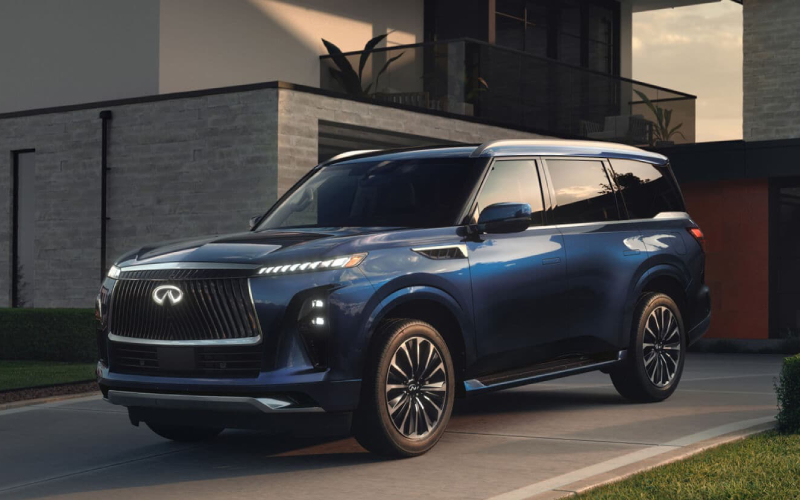
LaFontaine Next Mile – What to Know When Shopping for a used INFINITI near Madison Heights, MI
Shopping for a used INFINITI is different from browsing a basic pre-owned vehicle because the decision often includes more than transportation. Many shoppers want a vehicle that feels refined, looks distinctive, supports a busy schedule, and adds premium comfort to every drive. That is where INFINITI models stand out. Sedans like the Q50 can bring a confident, driver-focused feel, while SUVs like the QX50, QX60, and QX80 offer varying levels of space, flexibility, and capability. For drivers around Madison Heights, where daily routes may include I-75, local business corridors, neighborhood streets, and quick trips across Oakland County, a used INFINITI can deliver an appealing combination of smooth performance, upscale materials, and practical technology.
At LaFontaine Next Mile, serving Redford, Ferndale, and Madison Heights, our goal is to make the pre-owned shopping process easier, faster, and more useful for online consumers. A used luxury vehicle purchase should feel informed rather than overwhelming, so it helps to know which INFINITI qualities matter most before scheduling a test drive. Many models include available comfort features, advanced safety systems, premium audio options, smartphone connectivity, and available Intelligent All-Wheel Drive. Because equipment can vary by model, mileage, and previous configuration, a thoughtful shopping approach can help you focus on the right match for your lifestyle.
Why Used INFINITI Models Appeal to Online Shoppers
INFINITI has built a reputation around vehicles that combine luxury design with performance-inspired engineering. Many used INFINITI shoppers are drawn to the brand because the lineup does not feel ordinary. A Q50 sedan can offer responsive steering and strong acceleration, giving daily commuting a more engaging feel. A QX50 crossover often works well for drivers who want a premium interior and flexible cargo space without moving into a larger SUV. A QX60 can be a great fit for families or anyone needing three rows, while a QX80 provides full-size SUV presence, strong power, and a commanding cabin layout.
Online shoppers also benefit from the amount of detail available before visiting. Vehicle photos, feature descriptions, mileage, history information when available, financing tools, and trade appraisal resources can help you compare options more efficiently. Instead of starting from scratch at the dealership, you can begin with a focused list of INFINITI models that meet your space, comfort, technology, and driving preferences. This makes the test drive more meaningful because you are already comparing vehicles that fit your needs.
Key Features to Look For in a Used INFINITI
While each vehicle should be reviewed individually, many INFINITI models include features that support comfort, convenience, and confidence. The right combination depends on how you drive, who rides with you, and which technology matters most during the week.
- Cabin comfort: Many models include leather-appointed seating, heated front seats, power-adjustable seating, and refined materials that create a premium interior feel.
- Driver assistance: Available systems may include Blind Spot Warning, Forward Emergency Braking, Predictive Forward Collision Warning, Lane Departure Warning, and Intelligent Cruise Control.
- Parking support: The available Around View® Monitor can help with tight parking areas, crowded lots, and driveway maneuvering.
- Audio and connectivity: Many models include premium audio options, Bluetooth® connectivity, navigation, and smartphone-friendly features.
- All-weather confidence: Available Intelligent All-Wheel Drive can support added traction and control for Michigan driving conditions.
- Flexible space: INFINITI SUVs can offer folding rear seats, useful cargo areas, and passenger-friendly layouts for errands, travel, and family plans.
How to Choose Between Popular Used INFINITI Models
A strong used INFINITI search starts with body style. If you want a sportier daily drive and do not need SUV cargo space, the Q50 is worth considering. Many Q50 models feel composed on the highway and responsive around town, making this sedan appealing for commuters who still enjoy driving. If you prefer a crossover size, the QX50 can offer a smart balance of upscale comfort, manageable dimensions, and useful cargo flexibility. Many QX50 models include a premium interior layout and a confident stance that fits both professional and personal use.
For shoppers who need more room, the QX60 is a practical luxury choice. With three-row seating in many examples, the QX60 works well for families, carpool schedules, and drivers who want space without moving to the largest SUV category. The QX80, on the other hand, suits shoppers who want a more commanding vehicle with full-size space, strong power, and an elevated driving position. Each model brings a different personality, so the best option depends on seating needs, cargo expectations, driving feel, and preferred technology.
Steps for a Smarter Online Shopping Process
Online research can save time, but a structured approach makes the search even better. Before visiting, review the details that matter most and prepare questions for our team. A clear plan helps you compare used INFINITI vehicles with confidence.
- Identify your preferred body style: Decide whether a sedan, crossover, three-row SUV, or full-size SUV best fits your daily life.
- Review must-have features: Make a short list of comfort, safety, technology, and performance features that matter most.
- Check available vehicle details: Look at photos, mileage, feature descriptions, and vehicle history information when available.
- Use online finance tools: A pre-approval form can help you prepare before visiting and reduce time spent on paperwork.
- Consider a trade appraisal: If you have a current vehicle, an online trade tool can help you plan the next step.
- Schedule a test drive: Drive the INFINITI models that fit your list so you can compare comfort, visibility, handling, and cabin layout.
Frequently Asked Questions:
Is a used INFINITI a good choice for daily commuting?
Yes, many used INFINITI models are well suited for commuting because of smooth power delivery, comfortable seating, quiet cabin design, and available driver assistance features. A Q50 can be a strong sedan option, while the QX50 is a popular crossover choice for drivers who want extra space.
Which used INFINITI SUV is best for families?
The QX60 is often a strong family-focused choice because many models include three-row seating, flexible cargo space, and available safety technologies. Shoppers wanting a larger SUV with more commanding presence may also consider the QX80.
Do used INFINITI vehicles offer advanced safety features?
Many used INFINITI models include available systems such as Forward Emergency Braking, Blind Spot Warning, Lane Departure Warning, Predictive Forward Collision Warning, Intelligent Cruise Control, and the Around View® Monitor. Feature availability depends on the specific vehicle, so it is important to review equipment details.
Can I start the purchase process online?
Yes. Online tools can help you browse inventory, compare vehicles, schedule a test drive, submit a pre-approval form, and begin a trade appraisal. This helps create a more efficient visit and allows our team to focus on the INFINITI models that match your needs.
What should I check during a used INFINITI test drive?
Pay attention to seat comfort, visibility, steering feel, acceleration, braking, infotainment usability, cabin noise, and cargo space. If the vehicle includes driver assistance features, ask our team to explain system operation so you understand how each feature supports daily driving.
Why Buying From Our Dealership Makes Sense
A used INFINITI purchase should come with confidence, and our dealership is built to support that goal. We help online shoppers move from research to test drive with clear inventory access, helpful finance resources, and a team that understands pre-owned vehicle selection. Instead of spending time sorting through options without guidance, you can work with our specialists to compare models, review features, and focus on a vehicle that fits your life.
For Madison Heights drivers and nearby shoppers, convenience matters. A used INFINITI can bring premium comfort to daily travel, but the buying process should also feel comfortable. With access to a large pre-owned network, online pre-approval resources, and trade appraisal tools, our dealership helps simplify each step. Whether you are leaning toward a Q50, QX50, QX60, or QX80, our team is ready to help you choose with clarity and drive forward with confidence.
Request more information

LaFontaine Next Mile – How to Choose a used Nissan SUV near Plymouth, MI with Online Confidence
Used Nissan SUVs are popular because the lineup gives shoppers practical choices without making the search feel complicated. A compact crossover like the Rogue can work well for commuting, errands, and small-family travel, while a larger Pathfinder or Armada can support more passengers, more cargo, and more weekend flexibility. The Murano adds a refined feel for drivers who want comfort and style in a midsize SUV, and the Kicks can be a smart fit for shoppers who value easy parking and simple daily usability. For online consumers, the benefit is clear: Nissan offers a broad SUV range, so it is easier to compare size, comfort, technology, and capability before visiting the dealership.
At LaFontaine Next Mile, our goal is to make that research process faster and easier, with access to a large pre-owned network and a team that can help locate the right match. Online shoppers can review available inventory, consider financing tools, explore trade-in resources, and schedule a test drive with less guesswork. That matters for drivers serving Livonia, Southfield, and Plymouth, because local driving can involve everything from neighborhood streets and office commutes to freeway routes and family trips across Metro Detroit. A used Nissan SUV can bring the right blend of comfort, visibility, cargo space, and driver-assist technology for those everyday needs.
Why Used Nissan SUVs Fit So Many Driving Needs
One reason used Nissan SUVs stand out is the range of personalities across the lineup. The Rogue is often a top choice for shoppers who want a well-rounded crossover with comfortable seating, flexible cargo space, and available Intelligent All-Wheel Drive on many models. The Murano typically appeals to drivers who prefer a smooth ride and upscale cabin design. Pathfinder models can be ideal for families who want three-row seating and strong versatility, while Armada models bring full-size SUV confidence with generous passenger room and impressive capability.
Many Nissan SUVs also include technology that feels natural to use. Depending on model and equipment, shoppers may find NissanConnect®, smartphone integration, Bluetooth® connectivity, available navigation, USB ports, and available premium audio systems. The interior layouts are usually straightforward, which is valuable when multiple drivers share a vehicle or when a shopper wants useful features without a steep learning curve. Instead of chasing complexity, Nissan tends to focus on practical comfort, clear controls, and everyday convenience.
Key Features to Compare While Shopping Online
When comparing used Nissan SUVs online, it helps to focus on the features that affect daily ownership. Photos and vehicle descriptions are useful, but a clear checklist can make the search more efficient. Consider how many passengers ride along most often, how much cargo space is needed, whether all-wheel drive is important, and which technology features matter most during a normal week.
- Passenger space: Rogue and Murano models often work well for five-passenger comfort, while Pathfinder and Armada models can offer three-row seating.
- Cargo flexibility: Many Rogue models include smart storage solutions, and larger SUVs provide expanded cargo room when rear seats are folded.
- Drivetrain: Available Intelligent All-Wheel Drive can be valuable for drivers who want added confidence in changing road conditions.
- Technology: Many models include NissanConnect®, Bluetooth® connectivity, USB access, and available smartphone-friendly features.
- Driver assistance: Look for available Nissan Safety Shield® 360 features, including Blind Spot Warning and Automatic Emergency Braking with Pedestrian Detection.
This kind of focused comparison helps an online shopper avoid sorting vehicles by appearance alone. A great used SUV should match real routines, from parking and commuting to child-seat access, cargo loading, and highway comfort. Nissan’s lineup makes that easier because each SUV fills a slightly different role. A shopper who wants a compact footprint may lean toward Rogue or Kicks, while a buyer who needs more seating can concentrate on Pathfinder or Armada.
Safety and Driver-Assist Technology Worth Noticing
Safety features are often high on the list for used Nissan shoppers, and for good reason. Many models may include Nissan Safety Shield® 360, a group of technologies designed to support driver awareness. Depending on the vehicle, this can include Automatic Emergency Braking with Pedestrian Detection, Rear Cross Traffic Alert, Blind Spot Warning, Lane Departure Warning, High Beam Assist, and Rear Automatic Braking. These systems are especially useful during common driving moments such as lane changes, backing out of parking spaces, or approaching slower traffic.
Some used Nissan SUVs may also include available Intelligent Around View® Monitor, which can help provide a composite overhead view when maneuvering in tight spaces. Available Intelligent Cruise Control can support more relaxed highway driving, and available ProPILOT Assist can help with steering assistance and speed control under proper conditions. Feature availability varies by vehicle, so online shoppers should review each listing carefully and ask our team to confirm specific equipment before making a final decision.
How to Shop Smarter Before the Test Drive
A productive used Nissan search starts before the test drive. Online tools can help narrow options by body style, mileage, features, and financing preferences. It is also useful to think about the current vehicle being replaced. A trade-in appraisal can give the shopper more information while comparing options, and a pre-approval form can save time by helping clarify available financing paths. Our dealership is focused on helping customers move through these steps with confidence, not pressure.
- Define the main need: Decide whether the vehicle must prioritize commuting, family seating, cargo room, towing ability, or all-around versatility.
- Compare similar models: Review Rogue, Murano, Pathfinder, Armada, and Kicks options to see which size and layout fit best.
- Check feature details: Confirm technology, safety systems, seating configuration, drivetrain, and cargo features on the specific vehicle.
- Use online tools: Complete pre-approval, estimate trade-in information, and schedule a test drive when the right option appears.
- Ask focused questions: Request details about vehicle history, condition, service information, and available protection options.
The test drive should confirm what the online research suggests. Pay attention to seating comfort, outward visibility, steering response, braking feel, infotainment usability, and cargo access. If the vehicle will carry passengers regularly, bring that need into the evaluation. If the SUV will handle school routines, work commutes, or weekend errands, make sure the cabin layout supports those tasks. A used Nissan SUV should feel comfortable, practical, and easy to operate from the first drive.
Frequently Asked Questions:
Which used Nissan SUV is best for everyday commuting?
The Rogue is often a strong choice for everyday commuting because many models offer a comfortable cabin, practical cargo space, efficient performance, and available driver-assist features. The Kicks can also be a good fit for drivers who prefer a smaller footprint and easy maneuverability.
Which used Nissan models offer three-row seating?
Pathfinder and Armada models are the primary used Nissan SUV choices for shoppers who want three-row seating. Pathfinder is often chosen for family versatility, while Armada offers full-size SUV space and strong capability.
Can I start the buying process online?
Yes. Online shoppers can browse pre-owned inventory, review vehicle details, use finance resources, submit a trade appraisal, and schedule a test drive. Starting online helps save time and makes the in-person visit more focused.
Are Nissan safety features available on used models?
Many used Nissan vehicles include advanced safety and driver-assist features, though availability depends on the specific model and equipment. Look for systems such as Nissan Safety Shield® 360, Blind Spot Warning, Rear Cross Traffic Alert, and Automatic Emergency Braking with Pedestrian Detection.
A used Nissan SUV can be a practical, comfortable, and confidence-building choice when selected with the right information. By comparing models online, confirming features, and working with a team that understands the pre-owned process, shoppers can move forward with clarity. Whether the right fit is a compact crossover, a refined midsize SUV, or a spacious three-row model, Nissan offers useful options for many lifestyles.
Request more information
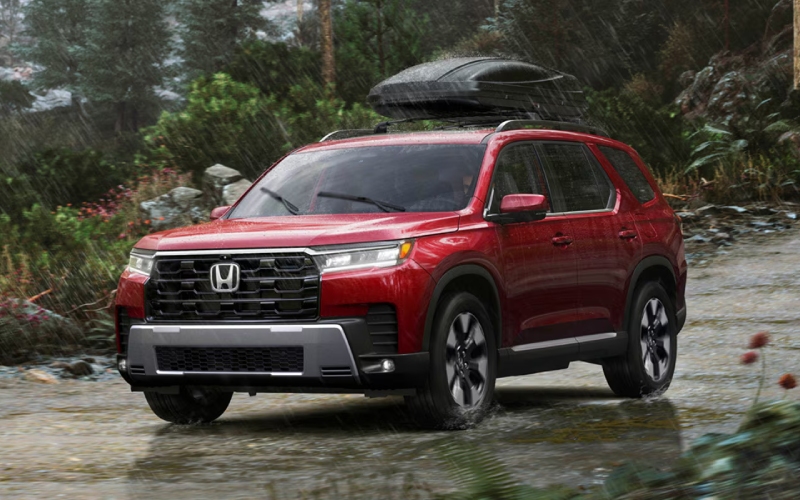
LaFontaine Next Mile – A Practical Guide to used Honda Shopping near Madison Heights, MI
For many drivers, a used Honda is appealing because it answers a simple question well: how can I choose a pre-owned vehicle that feels practical today and dependable for the road ahead? Honda has spent decades building cars, SUVs, minivans, and trucks that are known for thoughtful engineering, comfortable interiors, and everyday usability. Whether you are comparing a Civic for commuting, an Accord for refined daily driving, a CR-V for cargo flexibility, a Pilot for three-row seating, an Odyssey for family-focused versatility, or a Ridgeline for light-duty truck capability, the Honda lineup gives pre-owned shoppers a wide range of choices without feeling overwhelming.
At LaFontaine Next Mile, our approach is built around making the shopping process faster, easier, and more useful for people who begin online. Many customers want to compare vehicles, review features, estimate trade value, and explore financing before committing time to a visit. That is why online inventory tools, test drive scheduling, a trade appraisal option, and pre-approval resources matter. Our pre-owned network provides access to a broad range of vehicles through 43 different dealerships and 10,000+ vehicles, giving shoppers more opportunities to find the right fit while we do the work to support a smoother purchase experience.
Why used Honda vehicles remain a smart online search
Honda models are often searched by drivers who want reliability, but reliability is only part of the story. Many Honda vehicles also stand out for cabin space, driver visibility, efficient performance, and resale confidence. A Civic can be easy to maneuver while still offering a comfortable cabin. An Accord often brings a more spacious sedan feel with available premium conveniences. A CR-V is a favorite among shoppers who want a compact SUV with flexible cargo room and easy everyday driving manners. For larger households, a Pilot or Odyssey may provide the passenger space, storage solutions, and comfort features needed for busy routines.
Online consumers also benefit from the fact that Honda features are easy to compare across body styles. Many models include Bluetooth® connectivity, touchscreen audio systems, Apple CarPlay® compatibility, Android Auto™ compatibility, USB inputs, available heated seats, available leather-trimmed seating, and helpful cargo solutions. Because equipment varies from vehicle to vehicle, viewing each listing carefully is important. Interior photos can show seat condition, cargo space, screen layout, and control placement, while exterior photos can help you review wheels, lighting, body panels, and overall presentation.
What to review before choosing a used Honda
A smart online search should look beyond the model name. Honda vehicles are known for broad appeal, but the right choice depends on your personal driving habits. Someone who spends most of the week commuting may value the efficiency and easy parking of a Civic or Accord. A shopper with children, sports gear, pets, or frequent cargo needs may prefer the taller seating position and rear storage area of an HR-V, CR-V, or Pilot. If sliding doors and flexible second-row access are priorities, the Odyssey is often worth close consideration.
- Body style: Sedans, SUVs, minivans, hatchbacks, and trucks each solve different transportation needs.
- Interior layout: Review seating capacity, cargo access, storage areas, and technology placement.
- Safety features: Look for Honda Sensing®, a Multi-Angle Rearview Camera, Blind Spot Information System, or other available driver-assistive systems.
- Drivetrain: Many SUVs offer available Real Time AWD™ with Intelligent Control System™ for added confidence.
- Online tools: Use pre-approval, trade appraisal, and test drive scheduling to save time before visiting.
Honda features that matter in daily driving
Many shoppers focus on major features first, but the smaller Honda details can be just as meaningful after purchase. Wide door openings, smart storage areas, intuitive climate controls, easy-to-read gauges, and comfortable seating can make daily routines more enjoyable. The CR-V is often appreciated for its cargo flexibility, while the HR-V has earned attention for clever interior packaging. The Accord can offer a polished cabin feel, and the Civic has long been recognized for balancing efficiency with an engaging drive. In family-focused models, available features such as rear climate controls, flexible seating, and multiple charging points can make a real difference.
Safety technology is another key consideration. Many used Honda models include or offer Honda Sensing®, which may bring driver-assistive features such as Collision Mitigation Braking System™ (CMBS™), Road Departure Mitigation System, Adaptive Cruise Control, Lane Keeping Assist System, and Traffic Sign Recognition. These systems are designed to support awareness and confidence, not replace attentive driving. Availability depends on the specific vehicle, so reviewing the listing and asking questions before the test drive is a useful step.
How local driving needs shape the right Honda choice
Drivers near Redford, Ferndale, and Madison Heights often need vehicles that can handle a mix of local streets, freeway travel, errands, school activities, and weekend plans. A used Honda can fit that mix well because the lineup includes efficient commuter cars, compact SUVs, family SUVs, minivans, and a truck with practical versatility. For shoppers who regularly travel across Metro Detroit, comfort, visibility, cargo space, and technology are all worth comparing carefully. A vehicle that feels right on a quick errand should also feel composed on longer drives.
Choosing online also lets you move at your own pace. You can compare several Honda models, check feature availability, review photos, and decide which body style best matches your lifestyle before scheduling a test drive. If you are replacing a current vehicle, starting a trade appraisal online can help organize the process. If financing is part of your plan, a pre-approval form can help you prepare before visiting. Those steps allow the in-person experience to focus on the details that matter most: comfort, driving feel, visibility, cargo access, and confidence behind the wheel.
Steps for a smoother used Honda shopping process
- Start with your needs: Decide whether you need commuting efficiency, cargo space, passenger room, towing utility, or family flexibility.
- Compare Honda models: Review Civic, Accord, HR-V, CR-V, Pilot, Odyssey, and Ridgeline options based on lifestyle fit.
- Review each listing: Look closely at photos, mileage, equipment, drivetrain, interior features, and available safety systems.
- Use online resources: Complete pre-approval, begin a trade appraisal, and schedule a test drive when a vehicle stands out.
- Confirm the feel: During the test drive, evaluate seating comfort, visibility, steering response, braking, technology, and cargo access.
Frequently Asked Questions:
Which used Honda model is best for commuting?
The Civic and Accord are popular choices for commuting because many models offer comfortable cabins, efficient powertrains, responsive handling, and easy-to-use technology. The best fit depends on whether you prefer a compact feel or a more spacious sedan.
Are used Honda SUVs good for families?
Yes. The CR-V, Pilot, and HR-V each serve different needs. The CR-V offers flexible cargo space and everyday comfort, the Pilot adds three-row capability, and the HR-V provides compact SUV practicality. Equipment and seating details vary by vehicle.
What Honda safety features should I look for?
Many shoppers look for Honda Sensing®, a Multi-Angle Rearview Camera, Blind Spot Information System, Cross Traffic Monitor, and Vehicle Stability Assist™ with Traction Control. Feature availability depends on the specific pre-owned Honda being considered.
Can I begin the purchase process online?
Yes. Online shoppers can review inventory, compare vehicles, schedule a test drive, begin a trade appraisal, and use a pre-approval form to save time. These steps help create a more organized and confident shopping experience.
Request more information
How does LaFontaine Next Mile give me access to 10,000+ pre-owned vehicles near Redford, MI?

LaFontaine Next Mile – How does LaFontaine Next Mile give me access to 10,000+ pre-owned vehicles near Redford, MI?
Finding the right pre-owned vehicle near Redford should feel simple and confident, not limited by what happens to be parked on a single lot. At LaFontaine Next Mile, we connect you to 10,000+ pre-owned vehicles across a network of 43 dealerships while giving you one easy point of contact at our Farmington Hills location. That means you can shop broadly and buy locally—without juggling multiple stores or repeating the same conversations.
What “10,000+ vehicles” really means for you
When we say LaFontaine Next Mile provides access to 10,000+ vehicles, we are talking about real, day-to-day reach across our family of dealerships. Our team monitors inventory across the network and brings the best options together for you, guided by your needs, timeline, and preferences. You work with our specialists at LaFontaine Next Mile in Farmington Hills, and we coordinate the rest—searching, confirming availability, and arranging a test drive—so you can focus on making the right choice.
For Redford drivers who split time between Telegraph Road commutes, quick runs along I-96, and neighborhood driving, that broad access matters. Maybe you want a compact model that’s easy to park near Redford Library and quick across the Southfield Freeway, or a roomy SUV that handles family trips down Hines Drive. Our network lets us match those everyday needs to specific vehicles faster, without asking you to start over at multiple stores.
Step-by-step: how our network search works
Here is how we turn a massive inventory into a streamlined, personal experience from the first conversation to the test drive.
- Share your must-haves: Tell us how you drive around Redford—highway miles on I-96, city errands along 5 Mile, weekend getaways—and what matters most, like body style, fuel efficiency, tech, or cargo space.
- We search across 43 dealerships: Our team taps into LaFontaine’s network to surface matches that fit your list, including vehicles that may not be physically on our Farmington Hills lot yet.
- We confirm availability and details: We double-check that your top picks are still available, verify key features, and review condition information so you know what to expect before you arrive.
- We arrange viewing and test drives: When possible, we coordinate to bring your chosen vehicle to LaFontaine Next Mile in Farmington Hills for a convenient test drive—one visit, multiple options.
- We simplify the paperwork: From trade-in support to financing, we keep everything under one roof so you can wrap up confidently at 30250 Grand River Avenue.
Throughout the process, you get updates from one dedicated team. We know your time is valuable, and we designed LaFontaine Next Mile to be the FASTEST and EASIEST way to buy your next pre-owned vehicle in Michigan—so you can spend less time searching and more time driving what suits you best.
Local advantages for Redford drivers
Shopping with LaFontaine Next Mile is convenient from Redford. We are a quick drive west via I-96 or Grand River Avenue, and our hours make it easy to plan a visit around work and family. Our Sales Hours are Monday 9:00AM – 7:00PM, Tuesday 9:00AM – 6:00PM, Wednesday 9:00AM – 6:00PM, Thursday 9:00AM – 7:00PM, Friday 9:00AM – 6:00PM, and Saturday 9:00AM – 3:00PM.
Beyond convenience, the benefit is how we tailor the search to local driving. Whether you want a commuter-friendly sedan for Telegraph Road traffic, an SUV for weekend soccer at Glenhurst or VFW Park, or a truck for projects and trailering, our specialists translate your Redford routine into confident picks across the network.
- Selection depth: Access to 10,000+ vehicles means more colors, trims, feature sets, and body styles—without hopping between stores.
- One-stop communication: You work with one LaFontaine Next Mile team that coordinates searches, vehicle transfers, and test drives.
- Transparent process: We verify availability and details up front so your visit to Farmington Hills is productive and focused.
- Online tools: Explore inventory, use our payment calculator to estimate your buying power, and complete a quick pre-approval—all before you visit.
- Finance flexibility: Our finance department supports a wide range of credit situations, helping you move from selection to signing with confidence.
Every step is designed to reduce friction and help you make a confident decision. If you are coming from Redford, it is easy to test drive and finalize everything in one place, then head home on I-96 or Schoolcraft Road with your next vehicle.
Financing and trade-in support in one place
Once you have narrowed your shortlist, our finance managers are ready to help you build a plan that fits. We work with customers from Farmington Hills, Redford, Novi, Ann Arbor, and beyond to match the right finance program to each situation. You can start with our quick online pre-approval, estimate your buying power with the payment calculator, and talk through value-added protection plans and extended warranty programs—so the numbers and coverage feel as clear as the vehicle you pick.
If you are trading in a vehicle, our online trade appraisal streamlines the process. You can enter essential details—Year, Make, Model, Trim, VIN, Mileage, Color, and Approximate Payoff—and our team will follow up to complete your valuation. That way, you know where your trade stands as you compare options across our network.
Because we coordinate selection and financing under one roof, you move from search to signing without re-explaining your needs at each step. And if you prefer to start in person, our team is happy to walk you through your options at our Farmington Hills showroom.
How to get started today
If you are in Redford and want to see how 10,000+ pre-owned vehicles can work in your favor, you can start however you prefer. Browse our Pre-Owned Inventory online, use the pre-approval form to get a head start on financing, or schedule a test drive. You are also welcome to call us at 248-970-7998 or visit us at 30250 Grand River Avenue, Farmington Hills, MI 48336. Tell us what you want from your next vehicle, and we will do the work to bring the best matches together—fast.
From the first conversation to the moment you turn the key, our mission is simple: connect Redford drivers to the right pre-owned vehicle through a smarter, easier process. With LaFontaine Next Mile, broad selection and local service go hand in hand.
Frequently Asked Questions:
Can you bring a vehicle from another LaFontaine location to Farmington Hills for me to test drive?
Yes—when possible, we coordinate with our 43-dealership network to arrange viewing and test drives at LaFontaine Next Mile in Farmington Hills. Share the stock number or details you found online, and our team will confirm availability and timing, then keep you updated every step of the way.
Do I need perfect credit to access vehicles across your network?
No. Financing is available for all at LaFontaine Next Mile, and our finance team works with a wide range of credit scenarios. Start with our quick online pre-approval and we will tailor a plan to your situation and help you shop with confidence.
How long does it take if the vehicle I want is at another store?
Timing varies by location and availability, but we move quickly and communicate clearly. Once you share the vehicle you have in mind, we confirm status with the originating store and coordinate next steps for viewing or a test drive at our Farmington Hills location.
I live in Redford—what is the easiest way to begin?
You have options. Start online with our pre-approval form and payment calculator, submit a test-drive request, or call 248-970-7998 to speak with a specialist. If you prefer to visit, we are a short drive west of Redford along I-96 or Grand River Avenue, and we will line up the right vehicles for you to see when you arrive.
Can you help with my trade-in before I choose a vehicle?
Absolutely. Use our online trade appraisal to enter your vehicle’s Year, Make, Model, Trim, VIN, Mileage, Color, and Approximate Payoff. We will review the details, follow up with questions if needed, and help you understand your trade position as you compare options from our network.
Request more information
Connect with us

