

Used Car Infotainment — What to Expect by Model and Year in Farmington Hills, MI
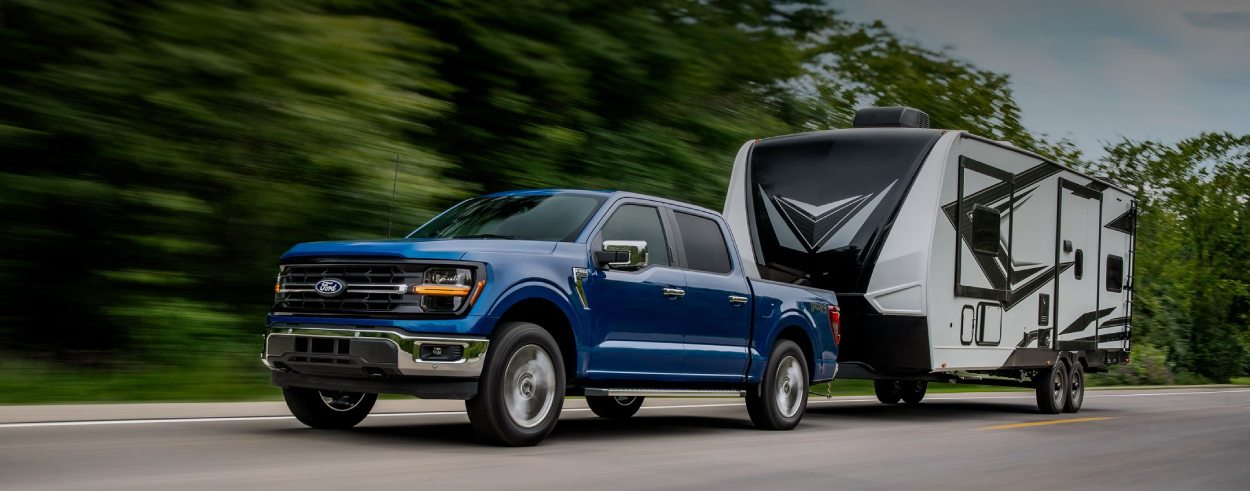
Used Car Infotainment — What to Expect by Model and Year in Farmington Hills, MI
Shopping used often starts with a simple question: what infotainment features will I actually get? For everyday drives in Farmington Hills traffic and weekend routes across Oakland County, a clear screen, quick Bluetooth pairing, and dependable navigation can make a big difference. At LaFontaine Next Mile, our team simplifies that research with side-by-side comparisons and on-the-spot demos. With access to 43 dealerships and 10,000+ vehicles, we can match your must-haves—like Apple CarPlay, Android Auto, built-in navigation, or a 360-degree camera—to the right model and year. We also help you use our online pre-approval, payment calculator, and trade-in tools so you can focus on test-driving the tech that matters most to you. Many used shoppers ask about when certain features became common and how they vary by trim. Generally, 2016-2017 marks the start of mainstream smartphone integration across popular brands, with 2018-2020 bringing larger screens, faster processors, and more USB-C ports. Trucks and minivans often add trailer or rear-seat entertainment views, while compact cars emphasize simple, quick-to-use interfaces. If you plan to stream podcasts on Grand River Avenue or follow turn-by-turn directions on I-696, knowing what each model year typically includes helps you shop confidently in Farmington Hills, MI. Our specialists can walk you through multiple vehicles in one visit, confirm compatibility with your phone, and demonstrate voice commands during a test drive.

When Features Became Common: A Model-Year Roadmap
- 2012-2015 foundations: Expect Bluetooth calling and USB inputs, 5-7 inch touchscreens on many trims, basic voice control, and optional nav; early Ford SYNC, Chevy MyLink, Toyota Entune, and Uconnect appear here.
- 2016-2017 tipping point: Apple CarPlay and Android Auto become widely available on mid-trims; faster processors reduce lag; clearer backup cameras and more steering-wheel controls arrive.
- 2018-2019 mainstreaming: CarPlay/Android Auto standard on many sedans, SUVs, and trucks; crisper 7-8 inch screens, more USB ports, and better microphones for voice commands.
- 2020-2021 refinement: Improved graphics, larger 8-10+ inch displays, available digital driver clusters, built-in apps, and some over-the-air updates on select brands.
- 2022+ wireless leap: Wireless CarPlay/Android Auto becomes common on popular trims; USB-C charging, enhanced voice assistants, and expanded camera views.
For used buyers, trims matter. A 2018 model’s base trim might mirror a 2017 mid-trim feature set. Bring your phone to verify plug-and-play or wireless pairing, test latency during map pinch-zoom, and try voice commands for addresses and texts. We routinely check for infotainment software updates and can show where settings live so your daily commute setup is automatic from day one. If you carpool or swap phones between drivers, ask about multi-device pairing and profile memory to cut setup time.
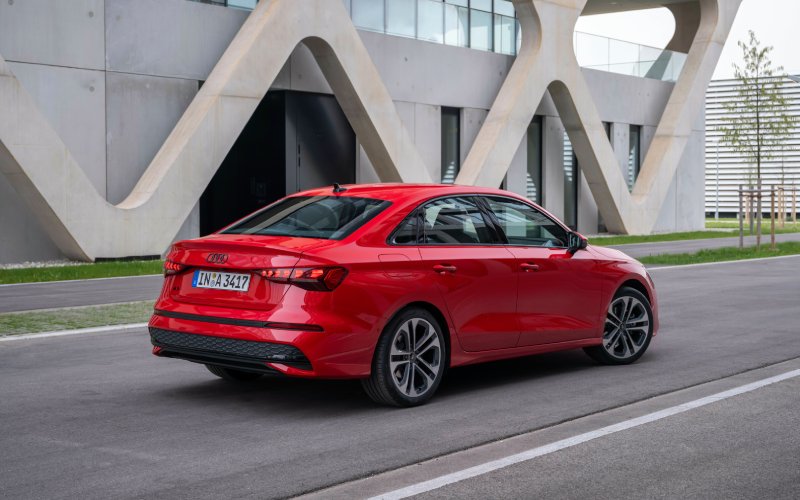
Body-Style Differences: Sedans vs. SUVs vs. Trucks vs. Minivans
Sedans typically prioritize quick pairing and simple menus. Expect 7-8 inch screens on 2018-2020 models like Toyota Camry, Honda Accord, and Nissan Altima, plus wired CarPlay/Android Auto and multiple charge points for commuters. Compact sedans (Civic, Corolla, Elantra) focus on intuitive interfaces that minimize distraction when merging onto I-275. SUVs add family-ready touches: more rear USBs, better rear-camera views, and available 360-degree cameras on models like RAV4, CR-V, Rogue, Equinox, and Tucson. Three-row SUVs (Highlander, Pilot, Traverse) often include rear-seat reminders, expanded voice control, and stronger audio—great for keeping an ear on navigation while managing conversation in the second and third rows. Trucks (F-150, Silverado, Ram 1500) emphasize larger screens and towing aids—trailer light checks, trailer brake controller integration, and dynamic guidelines. Uconnect and SYNC 3/SYNC 4 are known for clean layouts and robust voice prompts, helpful when your hands are on the wheel along construction zones. Minivans (Odyssey, Pacifica, Sienna) often feature rear-seat entertainment, cabin intercom, and headphone support so back-row movie sound doesn’t compete with turn-by-turn directions. For test drives in Farmington Hills, MI, bring your charging cable and a podcast or playlist to confirm volume leveling and mic clarity during real calls and highway speeds.
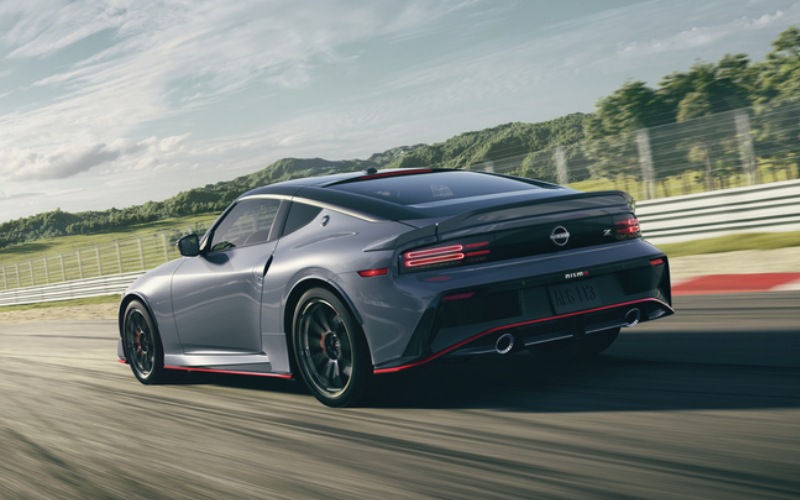
Popular Models and What Their Systems Offer
- Toyota Camry/Corolla (2018-2021): Entune 3.0 with CarPlay (widely 2019+), responsive 7-8 inch screens, available built-in nav on higher trims.
- Honda Civic/CR-V/Accord (2017-2020): Display Audio with CarPlay/Android Auto, physical volume knob returns on many 2019+ models, solid voice command logic.
- Ford F-150/Escape/Explorer (2016-2020): SYNC 3 with capacitive screens, strong voice-to-text, easy Bluetooth pairing; many 2020+ show SYNC refinements.
- Chevy Equinox/Silverado/Malibu (2018-2020): Chevrolet Infotainment 3 with CarPlay/Android Auto, clear menus, teen driver settings on many trims.
- Jeep Grand Cherokee/Wrangler (2017-2021): Uconnect with quick responses, off-road pages (Wrangler), and robust nav options on higher trims.
- Hyundai Elantra/Tucson/Santa Fe (2017-2021): CarPlay/Android Auto across many trims, user-friendly layouts, frequent rear USBs for families.
- Kia Forte/Sportage/Sorento (2017-2021): Intuitive menus, CarPlay/Android Auto, and helpful driver profiles on select trims.
- Nissan Rogue/Altima (2017-2020): NissanConnect with CarPlay/Android Auto in later years, simple, readable icons and steady Bluetooth.
- Ram 1500 (2019-2021): Uconnect with 8.4 or available 12 inch display, smart towing visuals, clear backup and cargo-cam options.
Trim differences drive feature sets. For example, Chevy’s mid-trims often add larger screens and extra USBs; premium Honda and Toyota trims layer in built-in navigation and better audio. During a visit, we demonstrate voice dialing, address entry speed, and how each brand handles split-screen maps and media. If you plan to tow or carpool, we’ll prioritize camera views or multi-device pairing over niche apps. Our team also checks for map or firmware updates to ensure the best day-one experience.
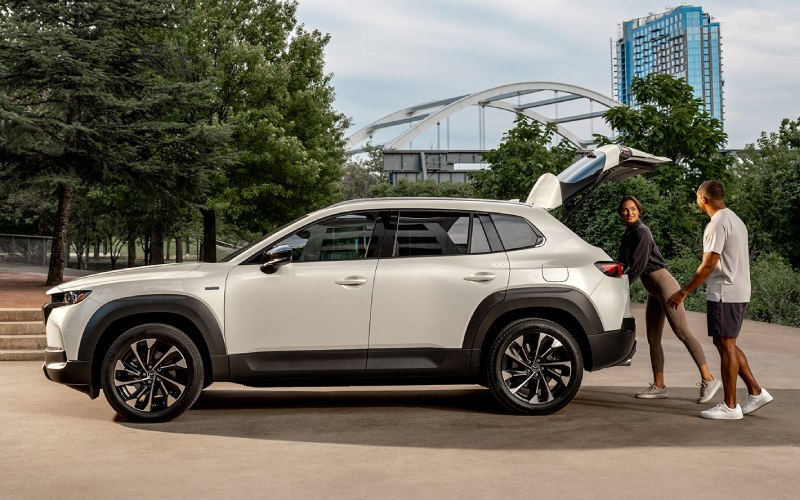
FAQ: Practical Used-Infotainment Answers
How do I know if a used vehicle supports Apple CarPlay or Android Auto?
Check the model year and trim, then verify on the test drive by plugging in or using wireless pairing. We confirm compatibility in-store and can show where the feature appears in settings.
Is wired or wireless smartphone integration better for daily commuting?
Wired is reliable and charges faster; wireless is convenient if you make frequent short trips. If you stream or use navigation daily, test both to see which fits your routine best.
Can infotainment systems be updated or upgraded on a used car?
Many systems accept software updates at the dealer; some allow over-the-air. Hardware upgrades vary by brand. We’ll outline your options and what’s practical for your vehicle and budget.
What should I test on a drive if I split time between Farmington and Novi?
Pair multiple phones, run navigation with live traffic, place a call at highway speed, and switch audio sources. Confirm mic clarity, screen glare resistance, and quick reconnection after stops.
Will built-in navigation still matter if I prefer phone maps?
It can. Built-in nav keeps routing when cell coverage dips and displays turn prompts in the gauge cluster on some trims. Many shoppers like having both options available.
Your Next Step — Compare, Pair, and Test in Real Time
Infotainment confidence comes from hands-on time. Bring your phone, favorite playlist, and a couple of addresses you use every week, and we will set everything up before you pull out for a test drive. Our online pre-approval and payment calculator help you focus on the right vehicles rather than paperwork, and our trade appraisal tool saves time at arrival. With access to 43 dealerships and 10,000+ vehicles, our team can present alternatives side by side—say, a 2019 CR-V with Display Audio next to a 2019 RAV4 with Entune—to help you choose quickly. If you commute across Grand River or hop onto I-696 regularly, we’ll tailor your route to include the roads you use most so you can evaluate voice commands, camera views, and screen glare in realistic conditions. Visit LaFontaine Next Mile for a personalized comparison and live demos in Farmington Hills, MI, and leave with a short list that truly fits the way you drive. When you are ready, schedule a test drive, start pre-approval online, or stop by to explore our current selection.

Pre-owned vehicle pricing includes all offers and incentives. Tax, Title and Tags not included in vehicle prices shown and must be paid by the purchaser. While great effort is made to ensure the accuracy of the information on this site, errors do occur so please verify information with a customer service rep. This is easily done by calling us at (248)301-2879 or by visiting us at the dealership. Disclaimer: New vehicle pricing includes all offers and incentives. Tax, Title and Tags not included in vehicle prices shown and must be paid by the purchaser. While great effort is made to ensure the accuracy of the information on this site, errors do occur so please verify information with a customer service rep. This is easily done by calling us at (248)301-2879 or by visiting us at the dealership. Prices do not include additional fees and costs of closing, including government fees, addendum items and taxes, any finance charges, any dealer documentation fees, any emissions testing fees or other fees. All prices, specifications and availability subject to change without notice. Dealer Doc Fee of $260 is not included in final price. See dealer for additional details. Contact dealer for most current information. **With approved credit. Terms may vary. Monthly payments are only estimates derived from the vehicle price with a 72 month term, 5.9% interest and 20% downpayment. **With approved credit. Terms may vary. Monthly payments are only estimates derived from the vehicle price with a 72 month term, 5.9% interest and 20% downpayment.